

Product
-
Weather station
-
Road Weather Station
-
Photovoltaic Inspection
-
Atmospheric monitoring
-
Operating condition monitoring
Recommended article
- Electrical Power Analyzer enables multi-channel power grid parameter acquisition and the detection of harmonics and unbalance
- Shandong Fengtu, a manufacturer of meteorological stations, offers high-precision weather observation equipment designed for field use
- Series power supply for EL-Based Internal Defect Detection in Photovoltaic Modules
- Shandong Fengtu, a manufacturer of meteorological monitoring instruments, produces advanced weather observation equipment
- Odor gas detector On-site Monitoring of Odorous Pollutants in Compliance with the GB14554 Standard
- Integrated Four-Parameter Weather Station for Field Meteorological Data Collection (Temperature, Humidity, Wind Speed, and Wind Direction)
Contact us
Shandong Fengtu IOT Technology Co., Ltd
Sales Manager:Ms. Emily Wang
Cel,Whatsapp,Wechat:+86 15898932201
Email:info@fengtutec.com
Add:No. 155 Optoelectronic Industry Accelerator, Gaoxin District, Weifang, Shandong, China
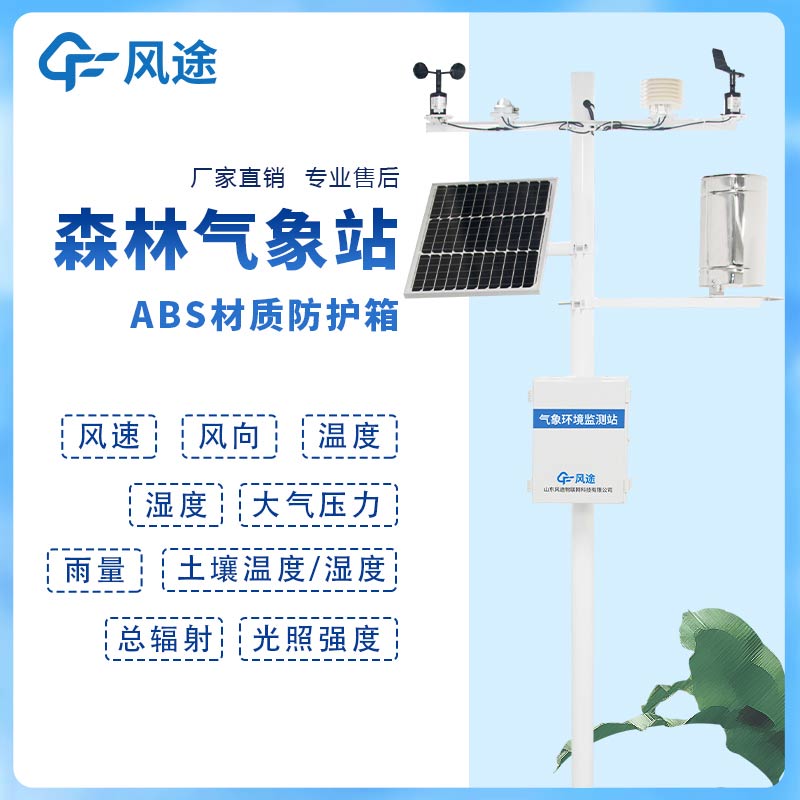
Forest fire weather station, intelligent fire prevention
Article source:Weather station time:2024-03-20 09:37:15 viewed:585times
Forest fires do not occur without these 3 reasons:
1, global warming leads to an increase in carbon dioxide emissions, dry and windy days in the spring and winter, the trees in the forest are prone to die and spontaneous combustion, increasing the risk of forest fires.
2, busy festivals in winter, people go out more, some inappropriate behaviours such as barbecuing in the wild, littering cigarette butts, etc. can easily cause forest fires. Once dry grass and trees catch fire, the fire spreads rapidly and the consequences are serious.
3, part of the forest due to insufficient fire prevention measures, administrators do not pay enough attention to the lack of effective protection. It is difficult to control the fire quickly when it occurs, and the fire is easy to expand, seriously damaging the forest ecology.
Meteorology is an important natural factor leading to forest fires.
Precipitation affects the humidity of combustible materials; high humidity is not easy to catch fire, while low humidity is easy to ignite. Wind can make combustible materials dry and flammable, and accelerate the spread of fire. Air temperature affects the ignitability of combustibles and the rate of fire spread. Air humidity affects solar radiation, which in turn affects ground and fuel temperatures and is also key to fire weather.
That's why many places are beginning to install weather stations to forecast fire danger levels.
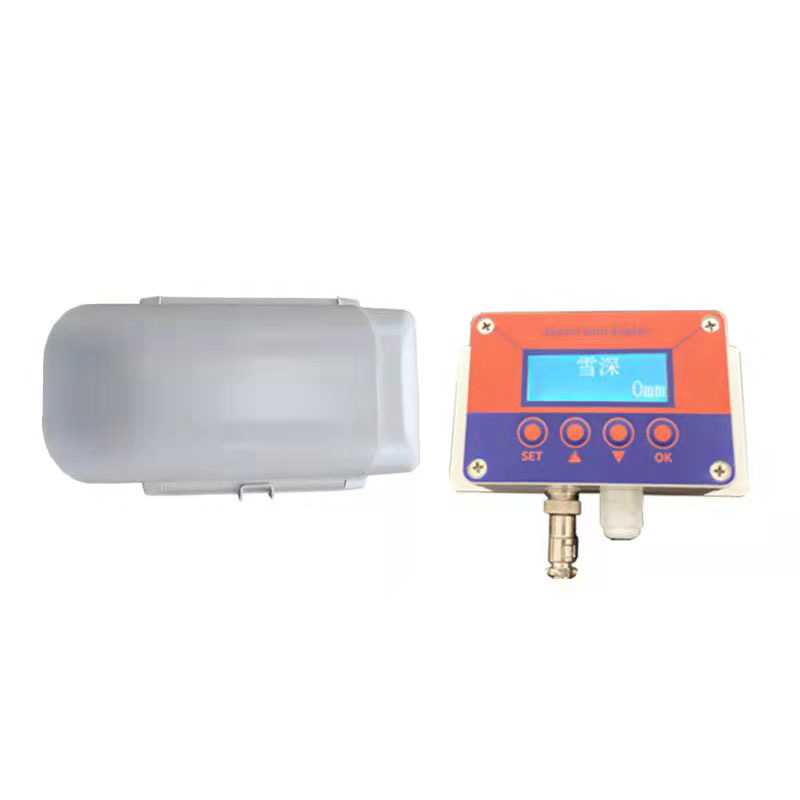
Administrators can install the following sensors for forest fire weather stations: wind sensor, wind speed sensor, wind direction sensor, temperature and humidity sensor, atmospheric pressure sensor, air quality sensor, rain and snow sensor, rainfall sensor as well as illumination and radiation sensors, which can monitor all kinds of meteorological data of the forest in real time to ensure the safety of the forest.
The forest fire weather station has 4G and network port communication function, which can upload monitoring data to the cloud platform and big screen in real time. If there is a lot of data, the big screen will automatically switch the display. Administrators can assess the fire risk level through these data and formulate corresponding protective measures.
This paper addresses:https://www.fengtuweather.com/industry/244.html
Related products
Related article
-
Photovoltaic Weather Stations: Optimizing Solar Farm Performance through Environmental Monitoring
2025-09-30 -
Vehicle-Mount Weather Stations: Small in Size, Big in Pollution Management Impact
2025-03-26 -
System framework for digital weather stations
2024-05-10 -
How PV Weather Station Optimizes Photovoltaic Power Generation and Management
2024-11-28 -
Recommend a weather monitoring equipment company
2024-06-26 -
FT - CZ5SVehicle - Mount Weather Station: Uniting Surveillance and Mobility for Environmental Monitoring
2025-04-15 -
The FT - CZ5 Vehicle - Mount Weather Station: A Compact Powerhouse for Meteorological Monitoring
2025-04-17 -
Negative Oxygen Ion Monitoring System: Nature's Gift in the Park
2024-10-08