

Product
-
Weather station
-
Road Weather Station
-
Photovoltaic Inspection
-
Atmospheric monitoring
-
Operating condition monitoring
Recommended article
- Electrical Power Analyzer enables multi-channel power grid parameter acquisition and the detection of harmonics and unbalance
- Shandong Fengtu, a manufacturer of meteorological stations, offers high-precision weather observation equipment designed for field use
- Series power supply for EL-Based Internal Defect Detection in Photovoltaic Modules
- Shandong Fengtu, a manufacturer of meteorological monitoring instruments, produces advanced weather observation equipment
- Odor gas detector On-site Monitoring of Odorous Pollutants in Compliance with the GB14554 Standard
- Integrated Four-Parameter Weather Station for Field Meteorological Data Collection (Temperature, Humidity, Wind Speed, and Wind Direction)
Contact us
Shandong Fengtu IOT Technology Co., Ltd
Sales Manager:Ms. Emily Wang
Cel,Whatsapp,Wechat:+86 15898932201
Email:info@fengtutec.com
Add:No. 155 Optoelectronic Industry Accelerator, Gaoxin District, Weifang, Shandong, China
Forest Fire Detection Provides Automatic Meteorological Monitoring and Forest Fire Warning
Article source:Weather station time:2025-12-30 10:12:16 viewed:581times
Forest Fire Detection is an automatic monitoring system designed for forest environments. By continuously collecting key meteorological factors such as wind speed and direction, air temperature and humidity, and solar radiation in forest areas, it provides real-time data support for forest fire warning and prevention decision-making.
Forest Fire Detection is a practical automated system specifically designed for monitoring forest fire risk. Its core function is to continuously monitor multiple meteorological and environmental parameters in forest areas, especially in fire-prone regions. The system collects and analyzes this real-time data to assess fire risk levels, providing a basis for early warning and fire resource allocation.
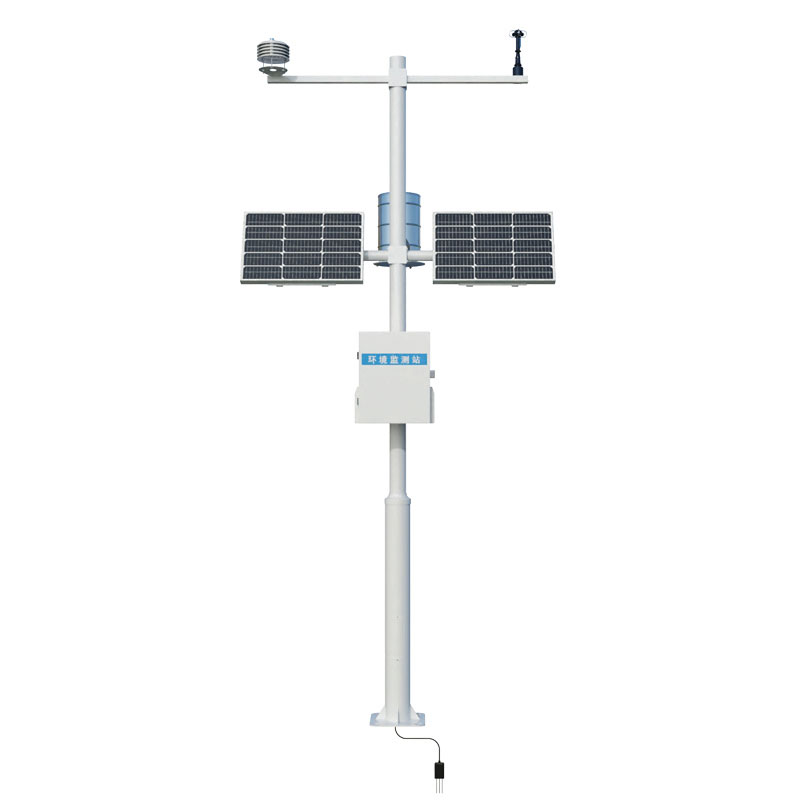
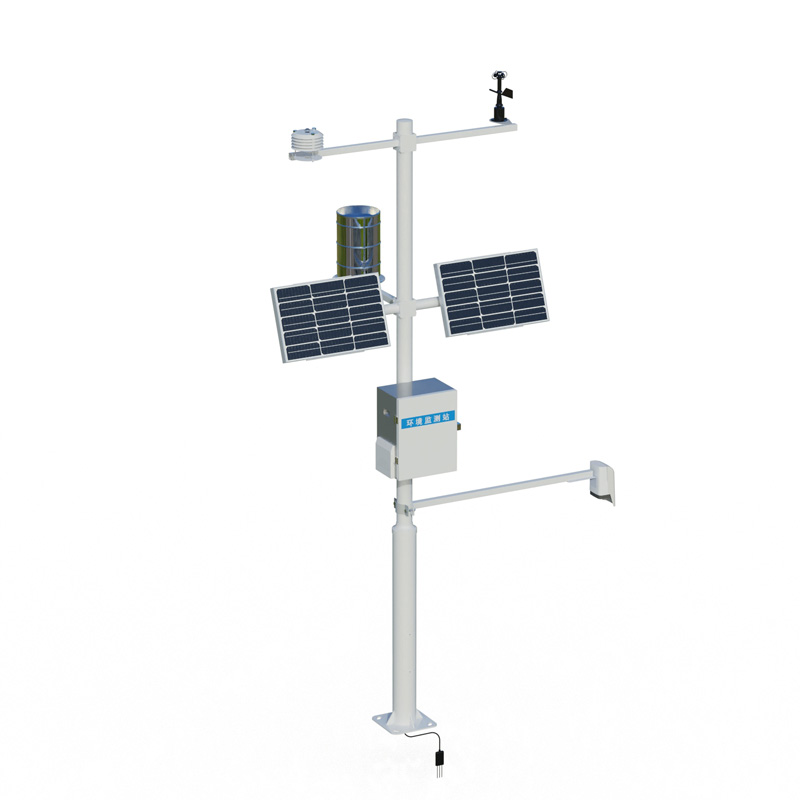
The system typically consists of three parts: front-end automatic meteorological monitoring stations, a data transmission network, and a back-end warning center platform. Monitoring stations are directly deployed in key forest areas and integrate various sensors. Wind speed and direction sensors record air flow data, temperature and humidity sensors measure ambient temperature and relative humidity, and solar radiation sensors monitor light intensity. In addition, some systems can also integrate soil moisture sensors or video surveillance equipment.
These monitoring stations operate 24/7, automatically collecting data at set intervals. The collected data is transmitted to the command center server via a wireless communication network, such as 4G/5G or dedicated radio. The warning platform software aggregates, stores, and analyzes the data, and visually displays the real-time status and historical trends of each monitoring point in the form of charts or maps.
The system's deployment locations are scientifically selected. They are usually set in high-risk areas within forest fire risk zones, forest edges with frequent human activity, and mountain valleys where lookout towers have blind spots. Installation locations require open surroundings without significant obstructions to ensure the representativeness and accuracy of meteorological data measurements.
The obtained meteorological data is directly used for calculating and forecasting forest fire risk levels. High temperature, low humidity, strong winds, and strong solar radiation significantly increase the dryness of combustible materials and the risk of forest fire spread. The system, through built-in algorithms or in conjunction with professional meteorological models, can automatically calculate and publish the fire risk meteorological level for the next 24 hours or longer. When the data reaches a preset warning threshold, the system can send alerts to management personnel through the platform interface, SMS, and other methods.
In addition to warnings, the long-term continuous data accumulated by this system also has research value. Years of meteorological monitoring data are helpful in analyzing the meteorological patterns of local forest fires, providing data references for the scientific demarcation of fire prevention periods and the planning and construction of biological firebreak belts. In daily management, real-time wind direction and speed data can also provide on-site meteorological support for firefighting efforts during active fires.
The effective operation of the system depends on stable power supply and communication guarantees. Remote forest areas typically use solar panels paired with batteries for power supply. In areas with weak communication signals, it may be necessary to build relay stations or use satellite communication. Regular personnel inspections and equipment maintenance, including sensor calibration, equipment cleaning, and line checks, are necessary to ensure the long-term accuracy and reliability of the data.
Overall, the Forest Fire Detection system achieves real-time monitoring of key meteorological conditions in forest areas through automated means. It changes the traditional single mode of relying on manual observation and patrols, improving the spatiotemporal density and objectivity of fire risk monitoring. It is an important technical component of modern forest fire prevention systems, providing an effective information tool for pre-fire prevention and in-fire command.
This paper addresses:https://www.fengtuweather.com/industry/863.html
Related products
Related article
-
I-V Curve Tracer can measure up to 400V and 20A of current
2026-06-12 -
Forest Fire Monitoring System Enables Early Warning of Fire Risk Through Meteorological Data
2026-04-29 -
Full Intelligent Control Soil and Water Conservation Digital High Precision Artificial Rainfall Simulation System
2024-04-17 -
Which IoT devices are suitable for weather stations?
2024-03-13 -
Forestry Weather Station: Your All-in-One Fire Risk Sentinel in the Woods
2024-12-09 -
Temperature, humidity, visibility, wind, icing, haze monitoring equipment
2024-06-17 -
Integrated forest fire risk factor monitoring station component
2024-05-16 -
Weather Data at Your Fingertips, Even on the Move: The Vehicle - Mount Weather Station Advantage
2025-02-14