

Product
-
Weather station
-
Road Weather Station
-
Photovoltaic Inspection
-
Atmospheric monitoring
-
Operating condition monitoring
Recommended article
- Electrical Power Analyzer enables multi-channel power grid parameter acquisition and the detection of harmonics and unbalance
- Shandong Fengtu, a manufacturer of meteorological stations, offers high-precision weather observation equipment designed for field use
- Series power supply for EL-Based Internal Defect Detection in Photovoltaic Modules
- Shandong Fengtu, a manufacturer of meteorological monitoring instruments, produces advanced weather observation equipment
- Odor gas detector On-site Monitoring of Odorous Pollutants in Compliance with the GB14554 Standard
- Integrated Four-Parameter Weather Station for Field Meteorological Data Collection (Temperature, Humidity, Wind Speed, and Wind Direction)
Contact us
Shandong Fengtu IOT Technology Co., Ltd
Sales Manager:Ms. Emily Wang
Cel,Whatsapp,Wechat:+86 15898932201
Email:info@fengtutec.com
Add:No. 155 Optoelectronic Industry Accelerator, Gaoxin District, Weifang, Shandong, China
Meteorological Monitoring for Drone Takeoff and Landing: Application of Vehicle Weather Station
Article source:Weather station time:2025-05-20 09:14:18 viewed:536times
Drone takeoff and landing require close attention to meteorological conditions, particularly wind speed/direction and visibility.
Strong winds can make it difficult for drones to maintain stable flight during takeoff and landing, causing deviations, jitter, or even being blown off the runway or predetermined flight path. Sudden changes in wind direction can also cause drones to lose balance instantly, increasing the risk of loss of control and affecting safe takeoff and landing.
Weather conditions such as rain, fog, and snow reduce visibility, making it difficult for drone operators to see critical environmental information such as runways and surrounding obstacles. This prevents accurate judgment of takeoff/landing timing and routes, increasing the risk of collisions and other hazards.
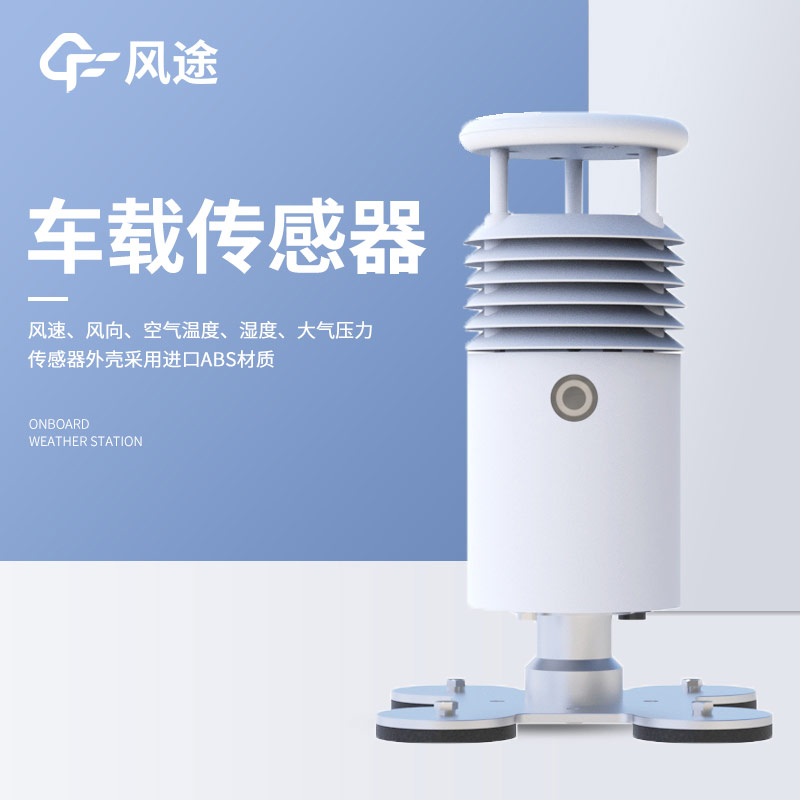
The Vehicle Weather Station, a mobile integrated automatic weather station designed specifically for emergency environmental monitoring in vehicles and other scenarios, uses a five-element integrated sensor to accurately and real-timely observe key meteorological factors such as wind speed, wind direction, air temperature, humidity, and atmospheric pressure. Its sensor housing is made of imported ABS material with a protection rating of IP65 or higher, effectively resisting harsh environments such as salt spray.
The Vehicle Weather Station is deployed near drone takeoff/landing points. Before operations, staff quickly install and debug the station. Its observation bracket is specially designed for vehicle-mounted mobile observation, using a strong magnetic suction cup installation method that securely connects to various vehicle types. It is easy to install and uninstall without damaging the vehicle's surface structure. Once installed, the Vehicle Weather Station immediately begins continuous collection of surrounding meteorological data.
These real-time meteorological data are rapidly transmitted to data processing terminals via multiple communication methods, such as RS485/USB standard communication interfaces or network methods like 4G and Bluetooth. The data processing terminal can be a laptop or PDA supporting the Vehicle Weather Station, or directly connected to the drone's control system. A data collector with a high-performance microprocessor as the main control CPU efficiently analyzes and processes the data. If the data show that meteorological conditions exceed the preset safe takeoff/landing range for drones, the system immediately issues an alarm to remind staff to adjust flight plans or take corresponding measures. For example, when wind speed is detected to exceed the safe threshold for the drone, staff can choose to postpone takeoff or switch to a more suitable takeoff/landing site.
This paper addresses:https://www.fengtuweather.com/industry/704.html
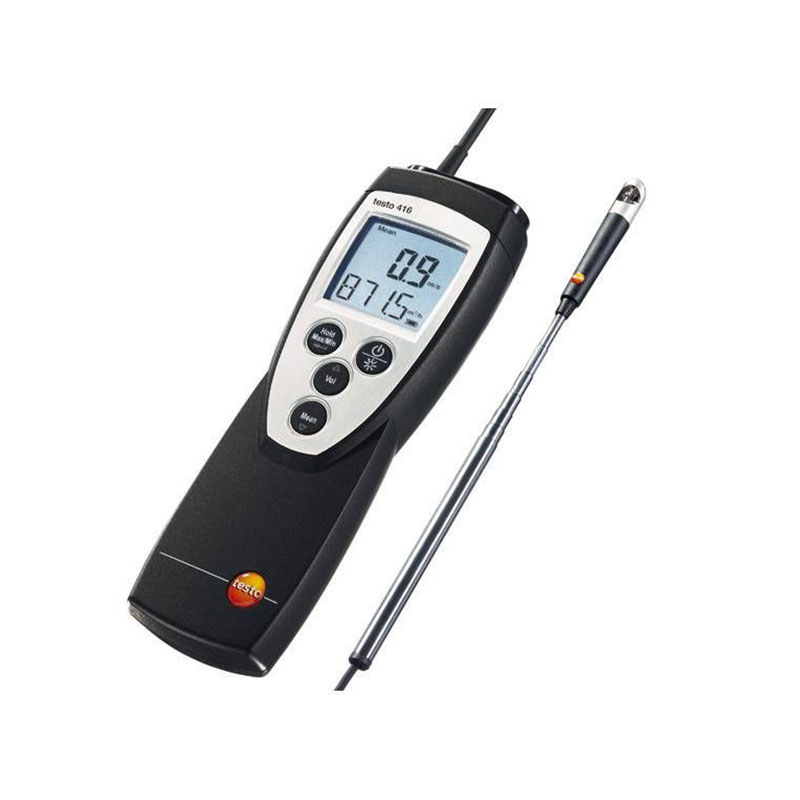
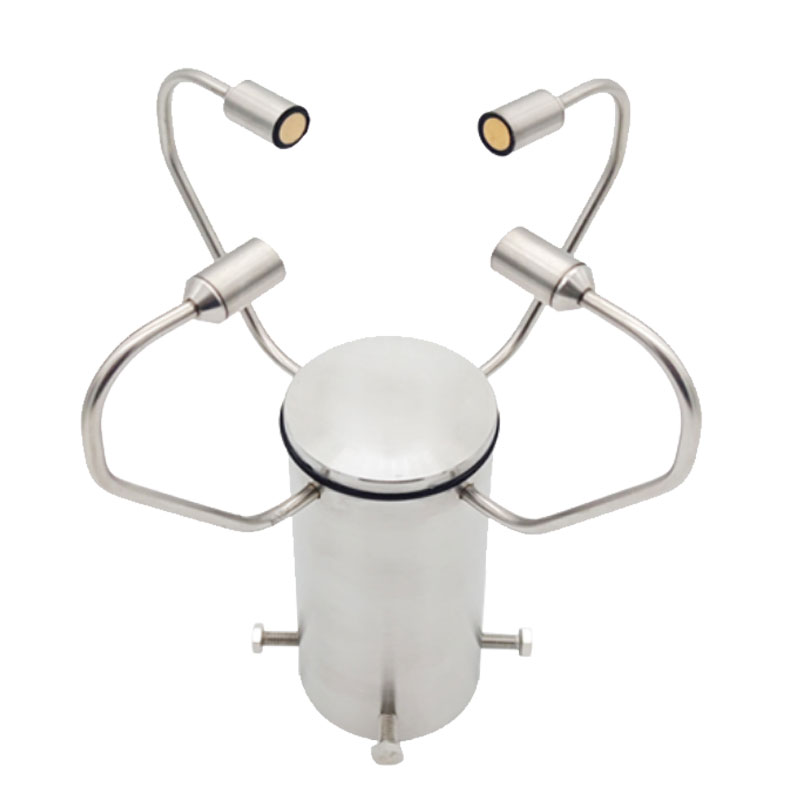
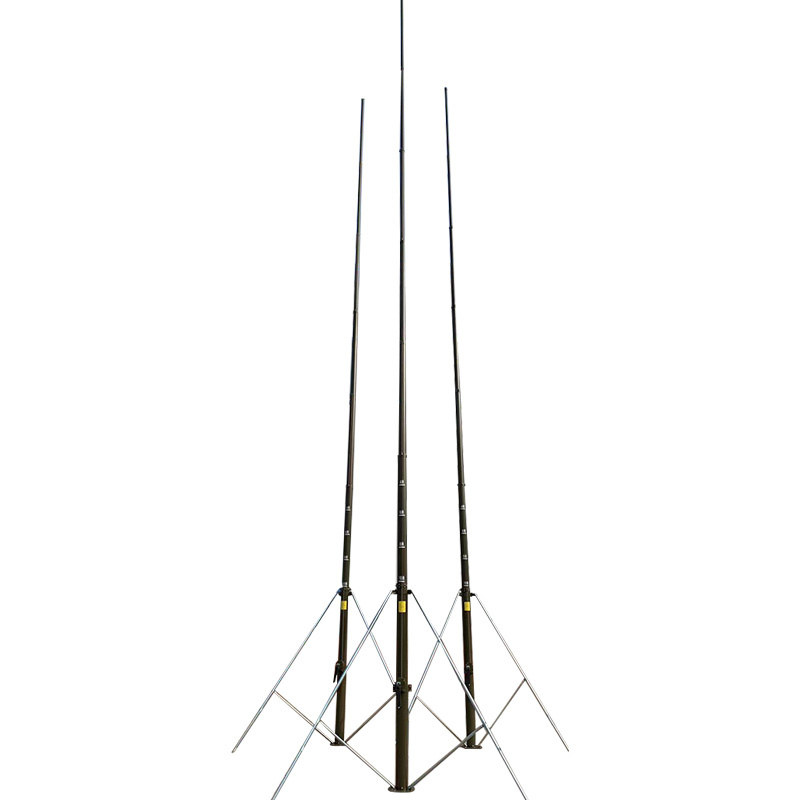
Related products
Related article
-
Odor gas detector Enabling Precision, Round-the-Clock Monitoring of Fugitive Emissions in Industrial Facilities
2026-10-12 -
Role of PV Weather Station in Real-Time Meteorological Monitoring for Photovoltaic Power Generation
2025-08-08 -
How Miniature Sensors Aid in Accurate Fertilization for Tea Gardens
2024-10-18 -
Car Vehicle Mounted Auto Weather: A Flexible Solution for Meteorological Monitoring
2024-10-22 -
Vehicle Weather Station: Mobile Meteorological Sentinel on Patrol
2024-12-19 -
Vehicle-Mount Weather Station: Rapid-Deployment Magnetic Sensor for On-the-Go Meteorological Monitoring
2025-05-30 -
3-Meter Laser Snow Depth Monitoring Station Achieves Millimeter-Level Measurement Accuracy Using Phase-Shift Laser Ranging
2026-04-23 -
What is the best Farmland Weather Station manufacturer?
2024-08-28