

Product
-
Weather station
-
Road Weather Station
-
Photovoltaic Inspection
-
Atmospheric monitoring
-
Operating condition monitoring
Recommended article
- Electrical Power Analyzer enables multi-channel power grid parameter acquisition and the detection of harmonics and unbalance
- Shandong Fengtu, a manufacturer of meteorological stations, offers high-precision weather observation equipment designed for field use
- Series power supply for EL-Based Internal Defect Detection in Photovoltaic Modules
- Shandong Fengtu, a manufacturer of meteorological monitoring instruments, produces advanced weather observation equipment
- Odor gas detector On-site Monitoring of Odorous Pollutants in Compliance with the GB14554 Standard
- Integrated Four-Parameter Weather Station for Field Meteorological Data Collection (Temperature, Humidity, Wind Speed, and Wind Direction)
Contact us
Shandong Fengtu IOT Technology Co., Ltd
Sales Manager:Ms. Emily Wang
Cel,Whatsapp,Wechat:+86 15898932201
Email:info@fengtutec.com
Add:No. 155 Optoelectronic Industry Accelerator, Gaoxin District, Weifang, Shandong, China
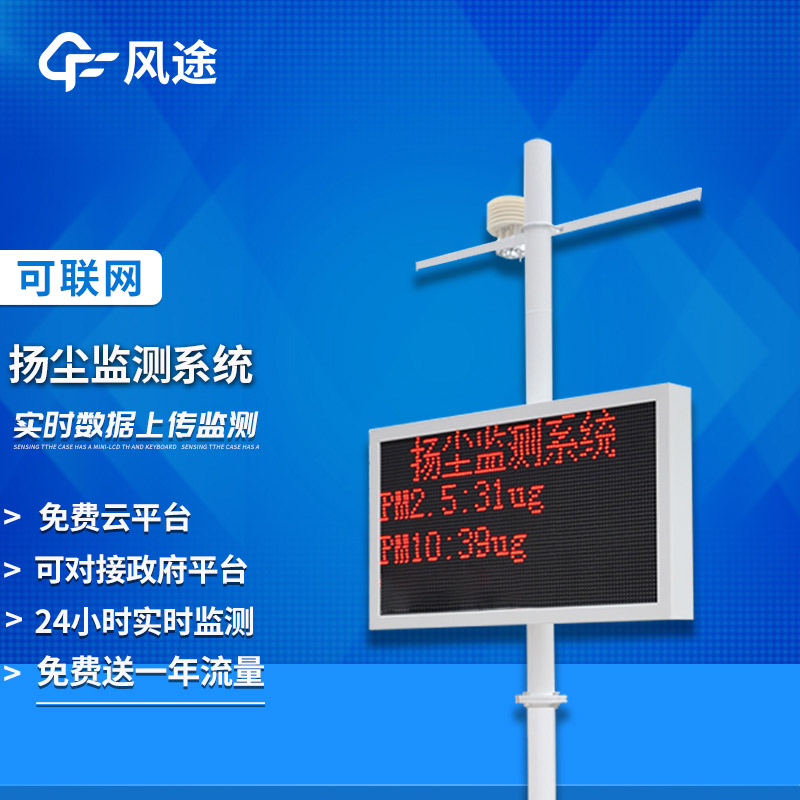
Dust monitoring system installation specification
Article source:Weather station time:2024-06-11 08:53:24 viewed:520times
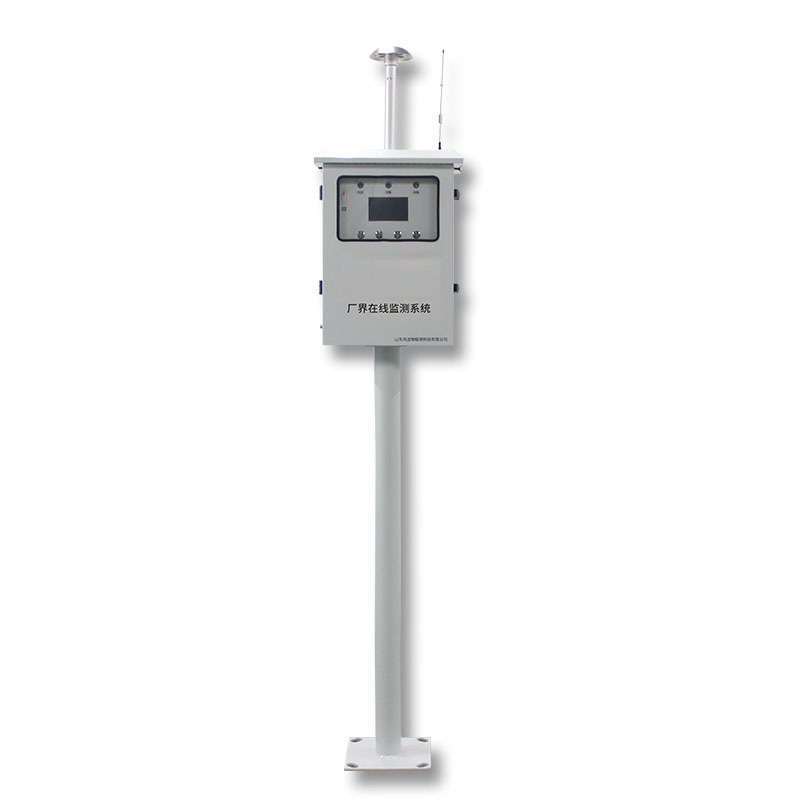
To ensure the accuracy and effectiveness of dust monitoring at construction sites, the installation of dust monitoring systems must follow a series of carefully developed specifications:
1. the installation of the monitoring equipment should be located within the security fence of the construction area so that the main construction activity area can be fully monitored.
2. monitoring points should be located at the main entry and exit routes for construction vehicles as dust pollution from transport vehicles is more significant at construction sites, especially during deep foundation pit operations. If more than one monitoring point is required, at least one should be located at the main access road.
3. in order to avoid being affected by neighbouring sites, the monitoring point should not be set up on the boundary adjacent to other construction sites.
4. Monitoring equipment should be avoided in areas that may be affected by the direct action of wind or organic particulate emissions.
5. the monitoring point should be located away from any emission outlets that may produce grease and fumes in order to prevent grease and fumes from interfering with the monitoring results.
6. The monitoring point should be free of tall buildings, trees, or other obstructions that could impede air flow. The horizontal distance from the sampling port to the nearest obstruction should be at least twice the vertical distance of the obstruction above the sampling port.
7. The monitoring point should be selected in an area that is safe and has fire protection measures in place.
8. The monitoring equipment should be installed away from sources of strong electromagnetic interference to ensure the accuracy of the monitoring data.
9. The standard installation height of the particulate sampling port is recommended to be 3.5 metres above the ground to capture airborne particles more accurately.
10. Particulate matter sampling tubes should be kept vertical to ensure the representativeness and accuracy of the sampling process.
11. Monitoring instruments on site should be earthed in accordance with the electrical earthing code to ensure safe operation of the equipment.
12. After the monitoring instruments are installed, it should be ensured that there is at least 0.8 metres of operating and maintenance space around the equipment to facilitate regular inspection and maintenance.
This paper addresses:https://www.fengtuweather.com/industry/405.html
Related products
Related article
-
What are air quality monitoring stations?
2024-06-06 -
photovoltaic testers is designed for high-precision testing at large-scale photovoltaic (PV) power plants
2026-09-11 -
Road Weather Station: Serving Public Security, Transportation and Meteorological Sectors
2025-09-12 -
Intelligent Road Weather Station: Mitigating Risks in Adverse Conditions
2025-09-22 -
Odor Monitoring System Employs Multi-Sensor Array Technology to Simulate Manual Olfactory Assessment
2026-07-13 -
FT-GQX8 Road Weather Information System: Comprehensive Meteorological Monitoring for Traffic Safety
2025-10-22 -
The Intimate Link between Negative Oxygen Ion Monitors and Forest Tourism Resources
2024-11-08 -
Why install a snow depth monitoring station?
2024-01-25