

Product
-
Weather station
-
Road Weather Station
-
Photovoltaic Inspection
-
Atmospheric monitoring
-
Operating condition monitoring
Recommended article
- Electrical Power Analyzer enables multi-channel power grid parameter acquisition and the detection of harmonics and unbalance
- Shandong Fengtu, a manufacturer of meteorological stations, offers high-precision weather observation equipment designed for field use
- Series power supply for EL-Based Internal Defect Detection in Photovoltaic Modules
- Shandong Fengtu, a manufacturer of meteorological monitoring instruments, produces advanced weather observation equipment
- Odor gas detector On-site Monitoring of Odorous Pollutants in Compliance with the GB14554 Standard
- Integrated Four-Parameter Weather Station for Field Meteorological Data Collection (Temperature, Humidity, Wind Speed, and Wind Direction)
Contact us
Shandong Fengtu IOT Technology Co., Ltd
Sales Manager:Ms. Emily Wang
Cel,Whatsapp,Wechat:+86 15898932201
Email:info@fengtutec.com
Add:No. 155 Optoelectronic Industry Accelerator, Gaoxin District, Weifang, Shandong, China
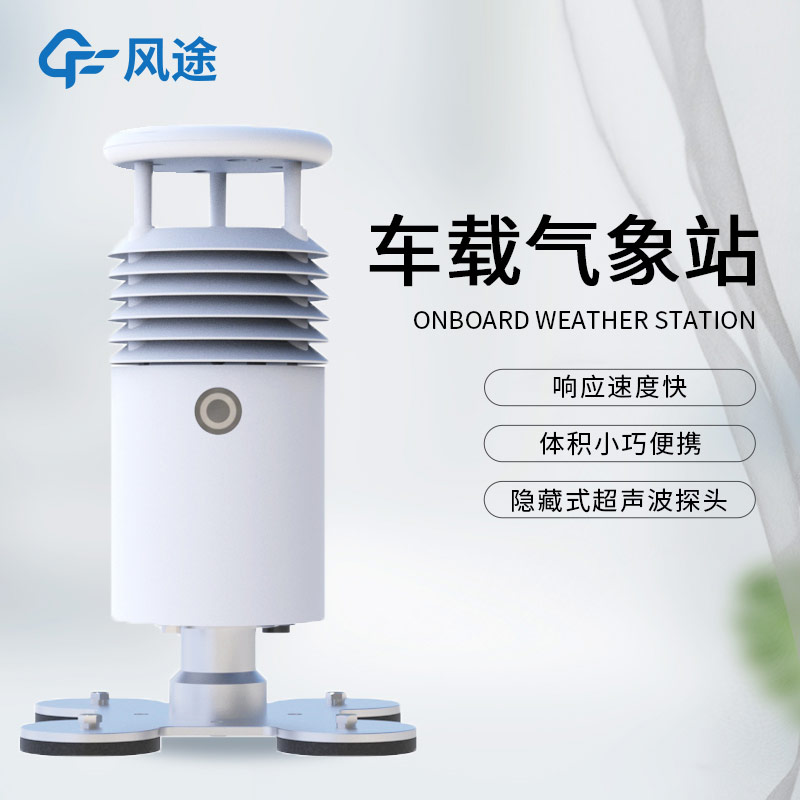
Vehicle-Mount Weather Stations: Mobile Solutions for Environmental Monitoring and Air Quality Analysis
Article source:Weather station time:2025-05-26 09:14:03 viewed:529times
In the field of environmental monitoring, Vehicle-Mount Weather Stations have become an important mobile monitoring tool.
A Vehicle-Mount Weather Station typically consists of a suitcase-style acquisition instrument and vehicle-mounted weather station acquisition equipment. Specifically designed for mobile transport vehicles such as cars and ships, it features low power consumption and the ability to collect environmental data anytime and anywhere. Adopting an integrated design of multiple acquisition devices, it integrates multiple functions including wind speed, wind direction, temperature and humidity, noise, PM2.5, PM10, CO₂, and atmospheric pressure.
The advantages of Vehicle-Mount Weather Stations lie in their flexibility and convenience, enabling real-time monitoring at different locations and providing strong support for fields such as environmental monitoring, meteorological research, and traffic management. The PM2.5 and PM10 data they measure help identify pollution sources.
Particulate matter with a diameter of 2.5 micrometers or less is PM2.5, also known as fine particulate matter. They mainly come from exhaust gases generated by activities such as fossil fuel combustion, industrial production, and transportation, as well as dust. PM2.5 particles are small, can remain suspended in the air for a long time, and easily carry toxic and harmful substances such as heavy metals and organic compounds. They can enter the deep parts of the human lungs through breathing and even enter the bloodstream, causing serious harm to human health, such as triggering respiratory and cardiovascular diseases. They also affect visibility and have adverse effects on traffic safety.
PM10 refers to particulate matter in the air with a diameter of 10 micrometers or less, also known as inhalable particulate matter. Its sources include natural sources such as soil dust and wind-blown dust, as well as human sources such as coal combustion and vehicle exhaust. PM10 particles can enter the human respiratory tract, causing harm to human health and the environment, such as leading to respiratory diseases and affecting lung function. They can also cause damage to ecosystems, such as reducing soil fertility and affecting plant growth.
This paper addresses:https://www.fengtuweather.com/industry/708.html
Related products
Related article
-
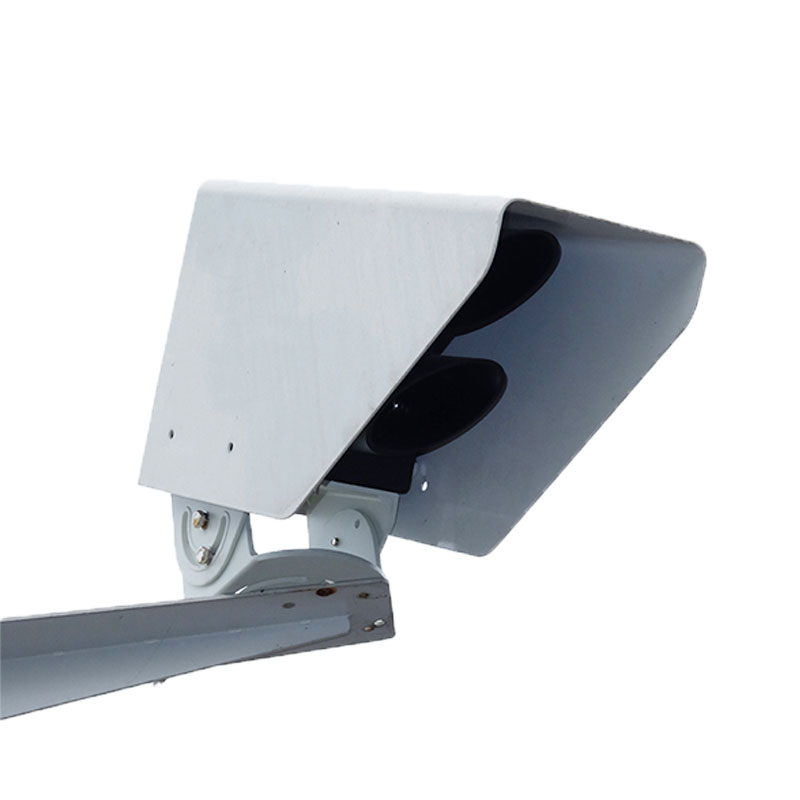
Speed enforcement system Achieves Precise Speed Measurement and Evidence Collection Based on the Doppler Principle
2026-08-14 -
Introduction to the Principles, Applications, and Technical Specifications of Speed enforcement system
2026-09-29 -
The FT series of meteorological observation equipment covers various types, including portable, explosion-proof, ultrasonic, and hydrological models
2026-06-18 -
How Much Does an Environmental Monitor Cost? — A Comprehensive Market Overview
2026-05-08 -
The Crucial Role of Online dust Monitoring system in Controlling Construction Dust Pollution
2024-11-18 -
Taming Dust Pollution with the Dust Monitoring System
2025-01-24 -
Fire Risk Factor Integrated Monitoring Station Instructions
2024-07-03 -
What kind of instrument is a miniature weather station device?
2024-06-13