

Product
-
Weather station
-
Road Weather Station
-
Photovoltaic Inspection
-
Atmospheric monitoring
-
Operating condition monitoring
Recommended article
- Electrical Power Analyzer enables multi-channel power grid parameter acquisition and the detection of harmonics and unbalance
- Shandong Fengtu, a manufacturer of meteorological stations, offers high-precision weather observation equipment designed for field use
- Series power supply for EL-Based Internal Defect Detection in Photovoltaic Modules
- Shandong Fengtu, a manufacturer of meteorological monitoring instruments, produces advanced weather observation equipment
- Odor gas detector On-site Monitoring of Odorous Pollutants in Compliance with the GB14554 Standard
- Integrated Four-Parameter Weather Station for Field Meteorological Data Collection (Temperature, Humidity, Wind Speed, and Wind Direction)
Contact us
Shandong Fengtu IOT Technology Co., Ltd
Sales Manager:Ms. Emily Wang
Cel,Whatsapp,Wechat:+86 15898932201
Email:info@fengtutec.com
Add:No. 155 Optoelectronic Industry Accelerator, Gaoxin District, Weifang, Shandong, China
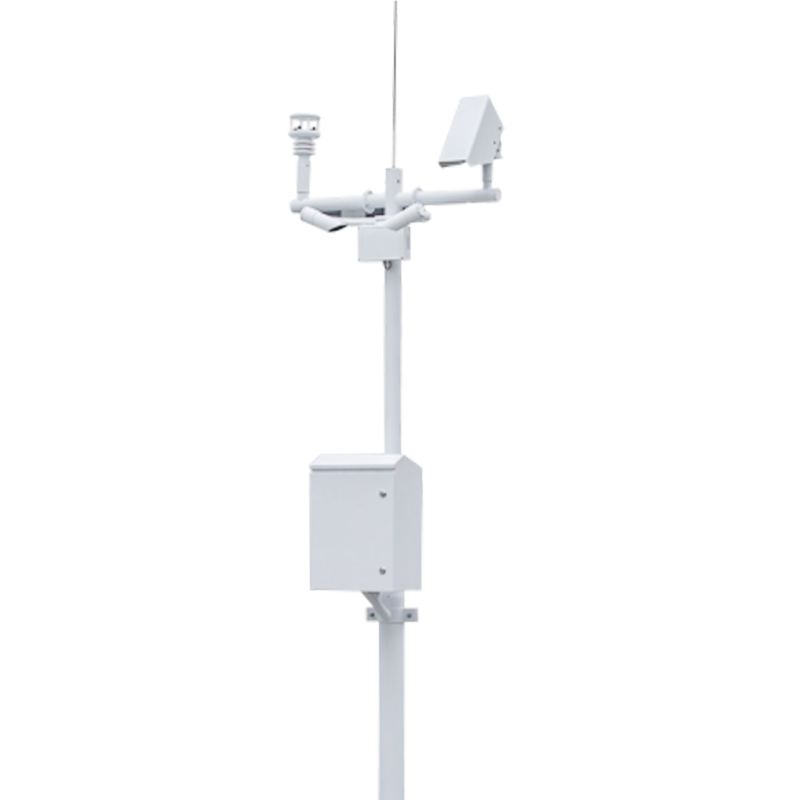
Intelligent Road Weather Station: Mitigating Risks in Adverse Conditions
Article source:Weather station time:2025-09-22 09:16:01 viewed:637times
The safe operation of highways is closely related to meteorological conditions. According to statistics, traffic accidents caused by high-impact weather such as rain, snow, heavy fog, and strong winds account for nearly 30% of the total annual traffic accidents in China. Adverse weather phenomena including low visibility (fog patches, heavy fog), road icing, water accumulation, and strong crosswinds increase traffic accident risks, and may even lead to highway closures, affecting traffic efficiency.
To address these challenges, automatic weather stations have been introduced on highways. By real-time and accurate monitoring of various meteorological and environmental elements along highways, and timely transmission of data to monitoring centers, they provide scientific decision-making basis for traffic management departments. This enables early warning and implementation of measures such as speed limits, traffic diversion, or even road closures, effectively ensuring driving safety and improving highway traffic capacity and operational management under adverse weather conditions.
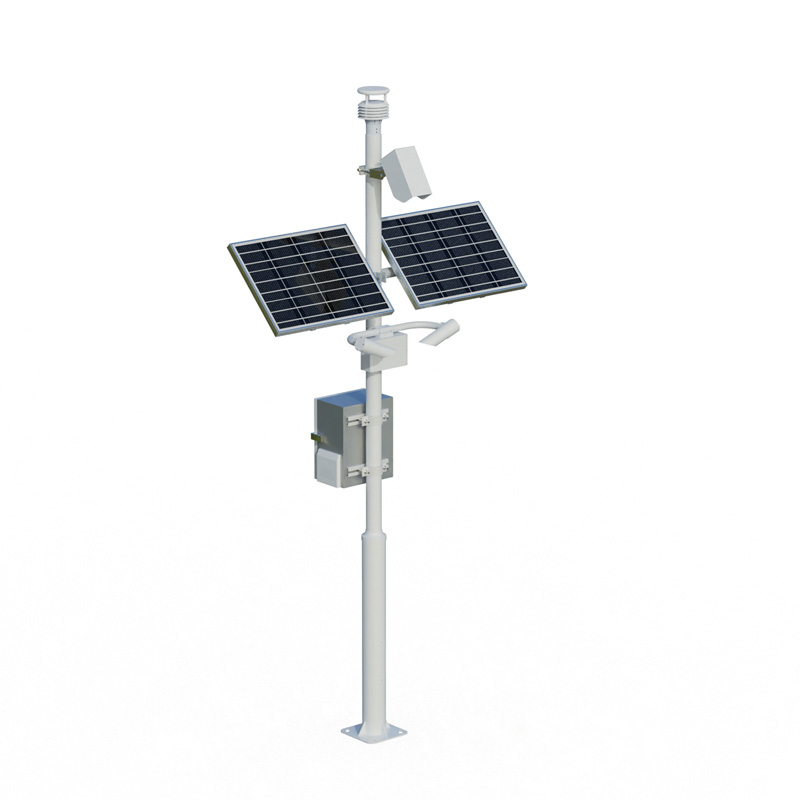
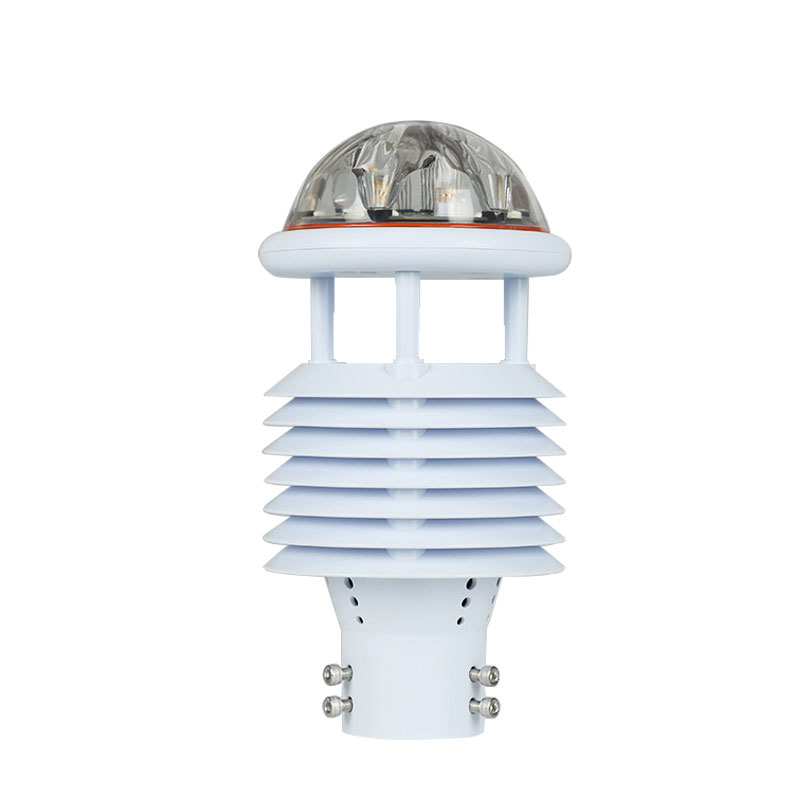
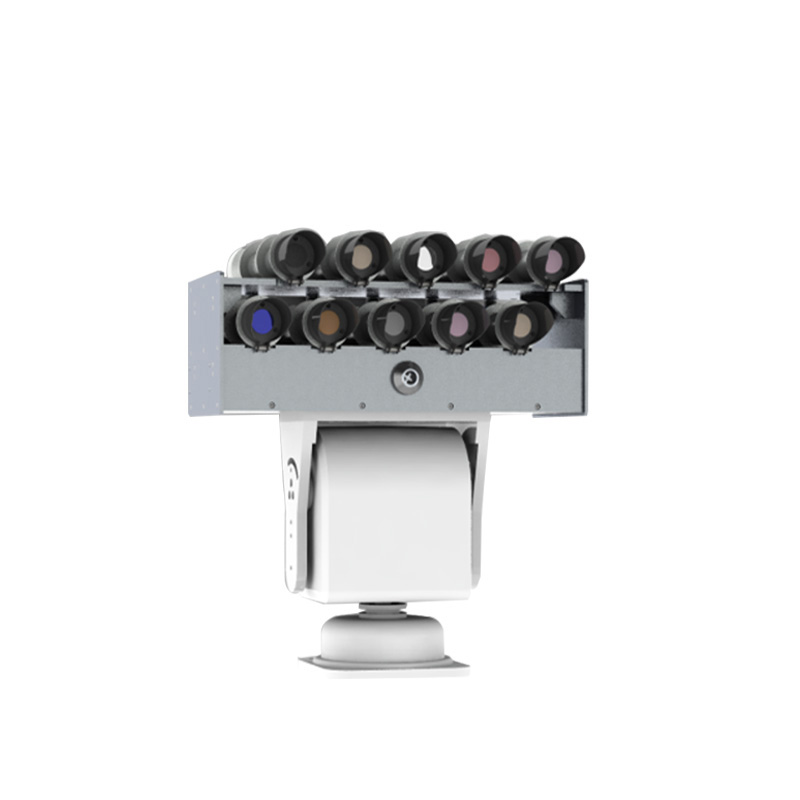
A complete Road Weather Station consists of three major components:
By providing real-time warnings about hazardous conditions including low visibility (fog patches), road icing, water accumulation, and strong winds, traffic management departments can promptly implement measures such as speed limits, variable message sign prompts, or even road closures, effectively reducing traffic accidents.
This paper addresses:https://www.fengtuweather.com/industry/798.html
Related products
Related article
-
Vehicle - Mount Weather Station: Empowering Environmental Law Enforcement and Monitoring
2025-02-28 -
Photovoltaic module efficiency testing equipment Provides High-Voltage, High-Power Performance Testing Solutions
2026-01-04 -
Odor Monitoring System is widely used in various odor pollution sources
2026-03-02 -
Miniature Weather Stations Enable Precise Multi-Parameter Integrated Environmental Meteorological Monitoring
2026-08-13 -
Real-Time Dust Monitoring Equipment: Comprehensive Air Quality Management for Construction Zones
2025-10-10 -
FT-WQX8 Outdoor Weather Sensors: A Multi-Parameter Monitoring Solution for Smart Cities and Environmental Protection
2025-07-09 -
Small meteorological monitoring stations for agriculture
2024-07-09 -
Transmission Line Weather Station FT - WQX6: Guarding the 'Power Blood Vessels' of Cities
2025-04-24