

Product
-
Weather station
-
Road Weather Station
-
Photovoltaic Inspection
-
Atmospheric monitoring
-
Operating condition monitoring
Recommended article
- Electrical Power Analyzer enables multi-channel power grid parameter acquisition and the detection of harmonics and unbalance
- Shandong Fengtu, a manufacturer of meteorological stations, offers high-precision weather observation equipment designed for field use
- Series power supply for EL-Based Internal Defect Detection in Photovoltaic Modules
- Shandong Fengtu, a manufacturer of meteorological monitoring instruments, produces advanced weather observation equipment
- Odor gas detector On-site Monitoring of Odorous Pollutants in Compliance with the GB14554 Standard
- Integrated Four-Parameter Weather Station for Field Meteorological Data Collection (Temperature, Humidity, Wind Speed, and Wind Direction)
Contact us
Shandong Fengtu IOT Technology Co., Ltd
Sales Manager:Ms. Emily Wang
Cel,Whatsapp,Wechat:+86 15898932201
Email:info@fengtutec.com
Add:No. 155 Optoelectronic Industry Accelerator, Gaoxin District, Weifang, Shandong, China
Meteorological observation station Field High-Precision Monitoring: Applications and Performance Advantages
Article source:Weather station time:2026-09-10 09:53:20 viewed:31times
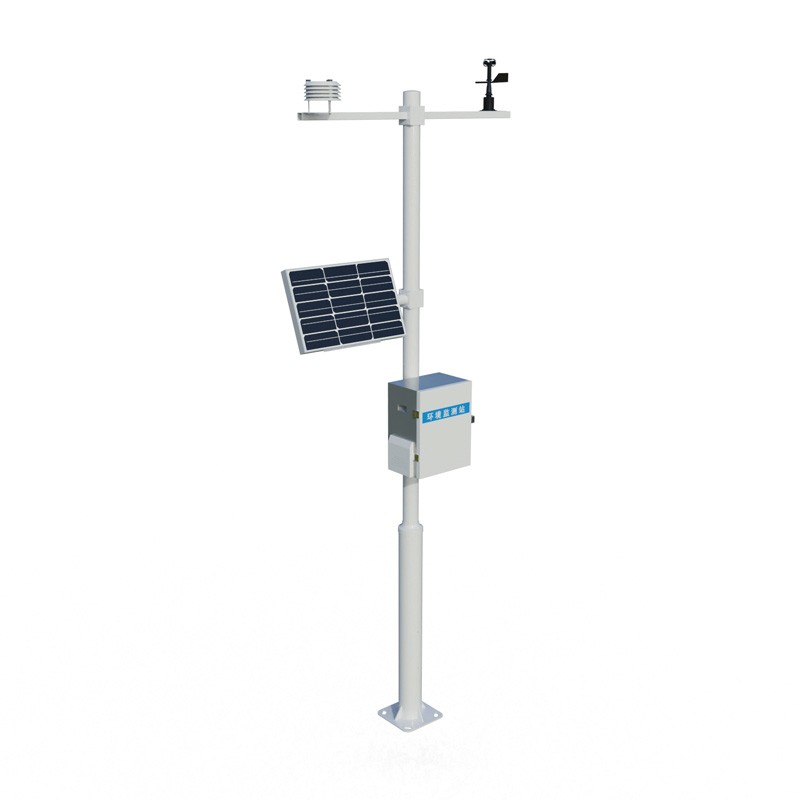
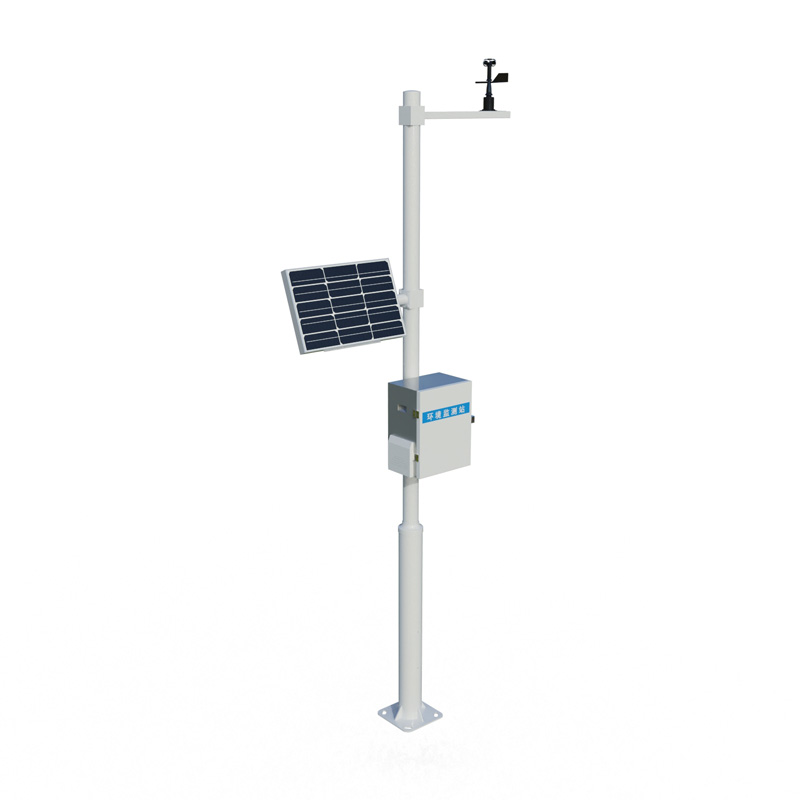
Meteorological observation station is an integrated, high-precision field monitoring system comprising modules such as sensors, data loggers, and power supply systems. Characterized by low power consumption, ease of installation, and scalability, it is suitable for all-weather meteorological data collection and monitoring across various industries.
Designed for complex field environments, Meteorological observation station is a high-precision, automated meteorological monitoring system. Its modular integrated design eliminates the issues associated with traditional equipment—such as cumbersome setup, difficult deployment, and high power consumption—allowing for rapid installation and the immediate commencement of routine monitoring. The system features a well-organized structure consisting of five core components: meteorological sensors, a data logger, a solar power system, a mounting mast, and a cloud management platform. These modules work in synergy to ensure the integrity and stability of meteorological data collection, transmission, and storage.
The core operational modules of Meteorological observation station utilize a low-power design, with the data logger’s quiescent current kept below 1mA. Paired with an intelligent solar power system and MPPT (Maximum Power Point Tracking) technology, the system maximizes charging efficiency, enabling long-term, uninterrupted operation in remote areas without grid power. The power system supports various lead-acid battery options to meet diverse monitoring duration and frequency requirements, significantly reducing the frequency and cost of field equipment maintenance. Communication capabilities address both basic and advanced needs; the system comes standard with 4G connectivity and supports Bluetooth, wired transmission, and Modbus RS-485 sensor expansion. This allows for the flexible addition of observation parameters based on specific monitoring needs and compliance with various scenario standards.
Meteorological observation station features a 7-inch Android touchscreen interface and robust system hardware, ensuring intuitive and convenient operation that allows users to get started quickly without specialized setup. Its external protection and mounting structure are designed to withstand harsh outdoor conditions. The 3-meter carbon steel mast utilizes a flange connection design for stable and easy installation, while the stainless steel protective enclosure offers corrosion and oxidation resistance. With an IP66 waterproof rating, the system effectively withstands environmental elements such as wind, rain, and dust. The device features a built-in SMS alarm function for threshold violations; it automatically sends early warning messages to designated mobile phones when monitoring data shows anomalies, thereby enhancing the timeliness and safety of meteorological monitoring. Thanks to its various practical capabilities, the device is widely used in fields such as meteorology, agriculture, forestry, environmental protection, marine science, and academic research, serving as a core instrument for routine, high-precision field meteorological monitoring.
This paper addresses:https://www.fengtuweather.com/technical/1010.html
Related products
Related article
-
Agricultural Monitoring System: Bridging Terminal Devices and Management Platform for Agriculture
2025-03-10 -
Car Vehicle Mounted Auto Weather: A Flexible and Efficient Tool for Emergency Meteorological Monitoring
2025-07-28 -
The Crucial Link: Photovoltaic Weather Station and Efficient PV Generation
2025-01-20 -
Multifunctional weather station Technical Features and Application Fields
2025-12-26 -
Introduction to the main configurations of the road weather monitoring system
2024-08-29 -
Differences between grassland weather stations and other weather stations
2024-03-28 -
Compact Weather Stations: High-Precision Field Monitoring for Diverse Scenarios
2026-10-10 -
The Intelligent Visibility Monitoring Station: Optimizing Highway Traffic Flow in Low Visibility
2024-11-27