

Product
-
Weather station
-
Road Weather Station
-
Photovoltaic Inspection
-
Atmospheric monitoring
-
Operating condition monitoring
Recommended article
- How Small-Scale Weather Stations Enable Unattended Field Monitoring
- How Meteorological Monitoring Stations for Photovoltaic (PV) Sites Achieve Simultaneous Output of Eight Parameters Without a "Starting Wind Speed" Threshold
- How Micro-Weather Stations Achieve Integrated Monitoring of Twelve Meteorological Parameters
- photovoltaic testers – On-site I-V Characteristic Testing for PV Modules and Strings
- Field weather stations provide stable collection and transmission of various atmospheric and environmental monitoring parameters
- Portable I-V Power Tester for Photovoltaic Power Plants: On-Site I-V Characteristic Testing of PV Strings
Contact us
Shandong Fengtu IOT Technology Co., Ltd
Sales Manager:Ms. Emily Wang
Cel,Whatsapp,Wechat:+86 15898932201
Email:info@fengtutec.com
Add:No. 155 Optoelectronic Industry Accelerator, Gaoxin District, Weifang, Shandong, China
How Small-Scale Weather Stations Enable Unattended Field Monitoring
Article source:Weather station time:2026-11-05 09:43:22 viewed:6times
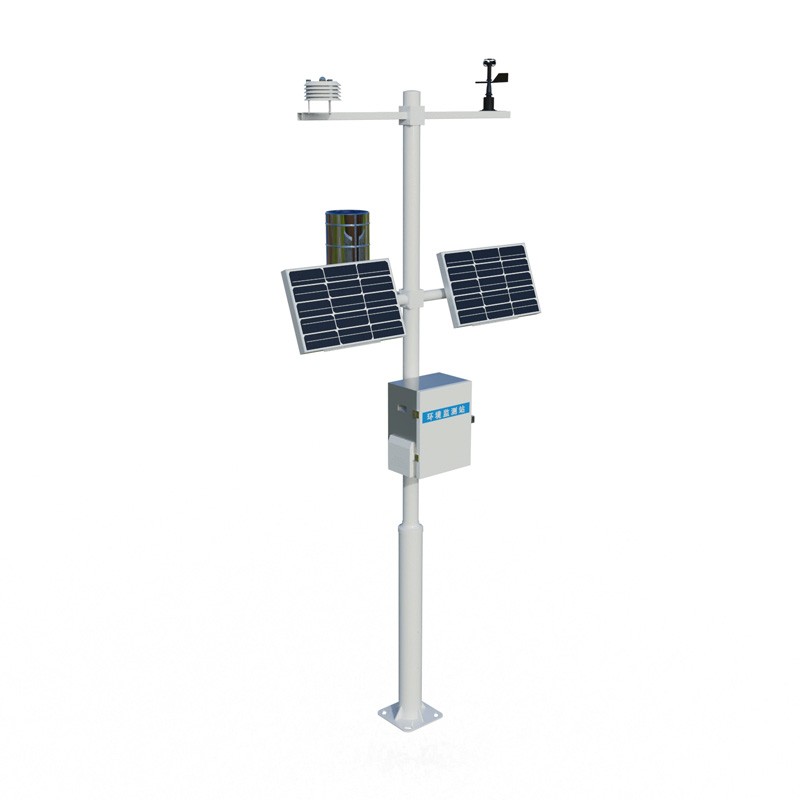
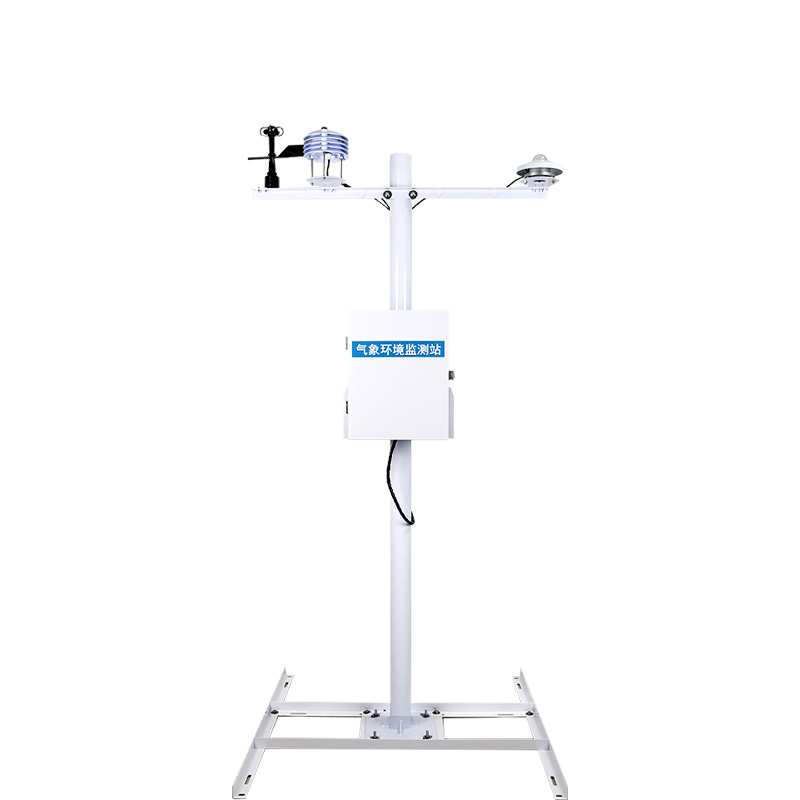
A small-scale weather station is a highly integrated, low-power, and easily deployable high-precision meteorological observation system. It consists of five core components: meteorological sensors, a data logger, a solar power supply system, a mounting mast, and a cloud platform. The system requires no on-site debugging and supports 4G connectivity as well as the expansion of Modbus-485 sensors. It features a 7-inch Android touchscreen and an MPPT (Maximum Power Point Tracking) solar charge controller. The protective enclosure meets the IP66 waterproof standard, and the system can send SMS alerts to designated mobile numbers if data exceeds predefined thresholds. This equipment is ideal for field monitoring across various sectors, including meteorology, agriculture, forestry, environmental protection, marine operations, airports, ports, scientific research, and educational institutions.
The primary challenges in field-based meteorological monitoring typically lie not in the sensors themselves, but in power supply, communication, and long-term operational stability without human intervention. Small-scale weather stations are specifically engineered to address these issues. The data logger’s static power consumption is kept below 1mA; combined with a solar power system and MPPT-based charging, the unit can remain operational even during extended periods of overcast weather, minimizing data interruptions caused by power depletion. The three-meter carbon steel mounting mast utilizes a two-section flanged design, allowing for assembly without specialized tools—thereby reducing the need for highly skilled technical personnel during field deployment.
For data transmission, these stations come equipped with 4G connectivity as standard, with additional support for Bluetooth and wired connections. Monitoring data is uploaded directly to a cloud platform, enabling users to view real-time information and historical records via a smartphone or computer browser. In remote areas or locations with unstable mobile network coverage, Bluetooth and wired options serve as reliable backup channels for local data retrieval. Furthermore, the data logger supports the Modbus-485 protocol, allowing users to add sensors—such as those for soil temperature and moisture, solar radiation, or particulate matter—without needing to replace the entire data acquisition system. The small-scale weather station features a 7-inch Android touchscreen (running version 4.4.2) powered by a quad-core Cortex™-A7 processor. This allows on-site personnel to view current meteorological data and device status directly on the screen, eliminating the need to rely on a remote platform. Should monitored data exceed preset thresholds, the system automatically sends an SMS alert to designated mobile phone numbers—a vital feature for extreme weather warnings in unattended locations. The protective enclosure is constructed from stainless steel, offering excellent corrosion and oxidation resistance; with an IP66 waterproof rating, it effectively safeguards the internal data acquisition and power supply modules against rain, high humidity, or salt-mist environments. Together, these components ensure that the weather station can be deployed in the field for long-term use, providing reliable meteorological data with minimal human intervention.
This paper addresses:https://www.fengtuweather.com/industry/1043.html
Related products
Related article
-
Vehicle-Mount Weather Station: Mobile Powerhouse for Real-Time Meteorological Monitoring and Early Warning
2025-07-16 -
How EL series of DC power supply Solves the EL Testing Challenge in Photovoltaic Power Plants
2026-05-18 -
Fengtu Negative Oxygen Ion Monitoring Station
2024-08-30 -
Which is the best online meteorological monitoring system?
2024-07-05 -
Dust monitoring system improves supervision
2024-06-12 -
What is Weather Station, and what are its functions?
2025-11-28 -
Dust Detector: Real-Time Data Transmission and 6 Core Functions for On-Site Environmental Control
2025-08-22 -
Ultrasonic Weather Stations: Low-Maintenance, High-Precision Monitoring Powerhouses
2025-04-21