

Product
-
Weather station
-
Road Weather Station
-
Photovoltaic Inspection
-
Atmospheric monitoring
-
Operating condition monitoring
Recommended article
- Electrical Power Analyzer enables multi-channel power grid parameter acquisition and the detection of harmonics and unbalance
- Shandong Fengtu, a manufacturer of meteorological stations, offers high-precision weather observation equipment designed for field use
- Series power supply for EL-Based Internal Defect Detection in Photovoltaic Modules
- Shandong Fengtu, a manufacturer of meteorological monitoring instruments, produces advanced weather observation equipment
- Odor gas detector On-site Monitoring of Odorous Pollutants in Compliance with the GB14554 Standard
- Integrated Four-Parameter Weather Station for Field Meteorological Data Collection (Temperature, Humidity, Wind Speed, and Wind Direction)
Contact us
Shandong Fengtu IOT Technology Co., Ltd
Sales Manager:Ms. Emily Wang
Cel,Whatsapp,Wechat:+86 15898932201
Email:info@fengtutec.com
Add:No. 155 Optoelectronic Industry Accelerator, Gaoxin District, Weifang, Shandong, China
The Hazards of Airborne Particulate Matter (PM) and the Role of PM2.5 Air Quality Monitor
Article source:Weather station time:2024-11-14 09:17:52 viewed:501times
Particulate matter (PM) in the air is a mixture of various chemical substances, and its hazards should not be underestimated.
PM10, with a diameter of 10 micrometers or less, can be inhaled into the lungs and have adverse effects on health, while PM2.5 with a diameter of 2.5 micrometers or less is even more harmful. Once these particulate matters enter the human body, they may cause a series of respiratory diseases, such as coughing, asthma, bronchitis, etc. Long - term exposure may also increase the risk of developing serious diseases such as lung cancer.
The hazards of PM involve multiple aspects. PM10 and PM2.5 come from different emission sources. Emissions from the combustion of gasoline, oil, etc. are the main sources of PM2.5 in outdoor air and also a large part of the sources of PM10. PM10 also includes dust from construction sites, landfills, agriculture, wildfires, pollen, and bacterial debris. These pollutants are widely present in the atmosphere and have a severe impact on air quality.
PM can also be divided into primary particulate matter and secondary particulate matter. Primary particulate matter is directly emitted from pollution sources, and secondary particulate matter is formed in the atmosphere through chemical reactions of gases such as sulfur dioxide and nitrogen oxides. These particulate matters will cause long - term and complex pollution to the atmospheric environment and affect the balance of the ecosystem. For example, they will harm the photosynthesis of plants and lead to a reduction in crop yields.
In view of the complex composition, diverse sources, and great hazards of particulate matter (PM) in the air, both the serious threat to human health and the adverse impact on the atmospheric environment and ecosystem make us realize the importance of accurate monitoring of it.
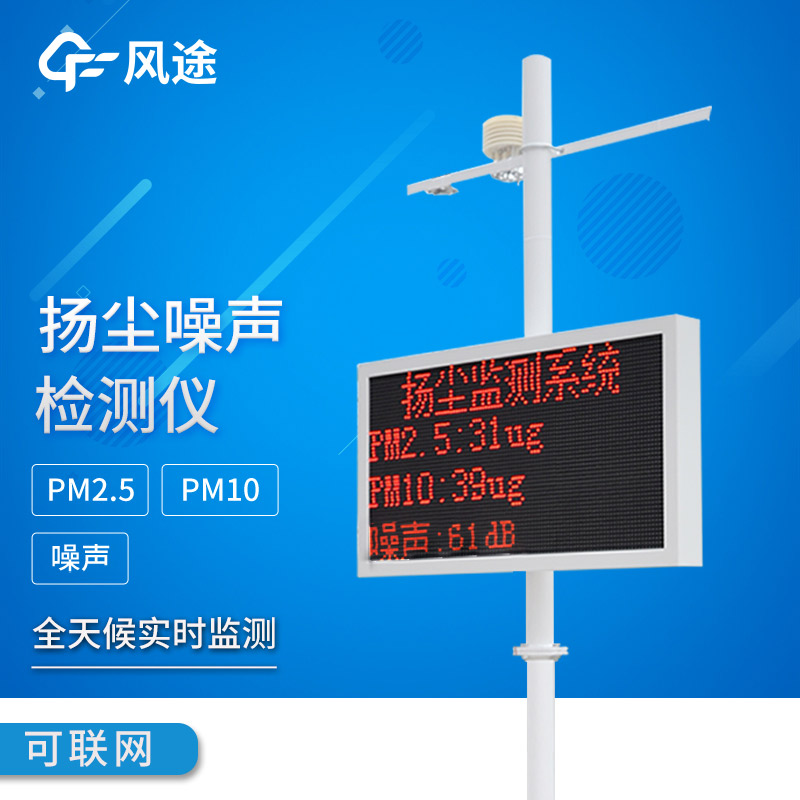
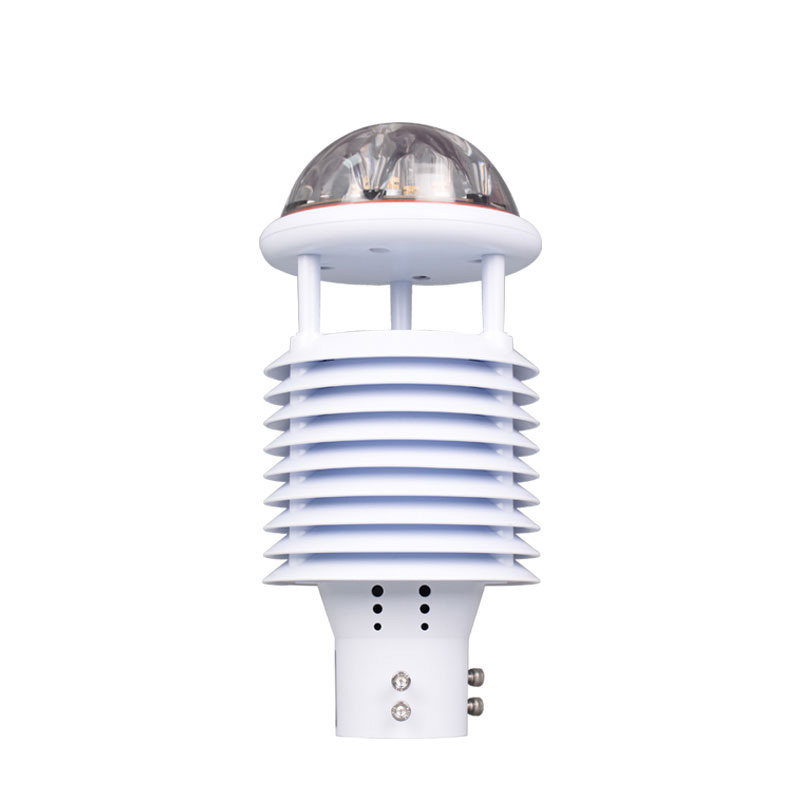
In this context, the PM2.5 Air Quality Monitor has emerged. It is like a sharp "environmental guard" that can accurately detect the concentration of PM in the air. Whether it is PM10 or PM2.5, the PM2.5 Air Quality Monitor can conduct detailed monitoring of them. Through real - time data feedback, we can clearly understand the content of these harmful particulate matters in the air, thereby providing a key basis for us to take corresponding protection and treatment measures.
This paper addresses:https://www.fengtuweather.com/industry/555.html
Related products
Related article
-
Road Weather Station: Serving Public Security, Transportation and Meteorological Sectors
2025-09-12 -
Fengtu Technology Dust Monitoring Equipment: Comprehensive Solutions for Air Quality Management
2025-10-17 -
Meteorological observation station Field High-Precision Monitoring: Applications and Performance Advantages
2026-09-10 -
What is a speeding photo solar display?
2024-04-19 -
Construction Site Dust and Noise: Problems, Solutions and Monitoring
2025-04-10 -
Road Weather Stations: Transforming Highway Safety Through 24/7 Meteorological Monitoring
2025-09-24 -
Road Weather Stations: Enhancing Highway Safety Through Advanced Meteorological Monitoring
2025-10-16 -
Weather Monitoring Equipment system comprises five parts: a sensor, a data logger, a solar power supply, a pole support, and a cloud platform
2026-05-12