

Product
-
Weather station
-
Road Weather Station
-
Photovoltaic Inspection
-
Atmospheric monitoring
-
Operating condition monitoring
Recommended article
- Electrical Power Analyzer enables multi-channel power grid parameter acquisition and the detection of harmonics and unbalance
- Shandong Fengtu, a manufacturer of meteorological stations, offers high-precision weather observation equipment designed for field use
- Series power supply for EL-Based Internal Defect Detection in Photovoltaic Modules
- Shandong Fengtu, a manufacturer of meteorological monitoring instruments, produces advanced weather observation equipment
- Odor gas detector On-site Monitoring of Odorous Pollutants in Compliance with the GB14554 Standard
- Integrated Four-Parameter Weather Station for Field Meteorological Data Collection (Temperature, Humidity, Wind Speed, and Wind Direction)
Contact us
Shandong Fengtu IOT Technology Co., Ltd
Sales Manager:Ms. Emily Wang
Cel,Whatsapp,Wechat:+86 15898932201
Email:info@fengtutec.com
Add:No. 155 Optoelectronic Industry Accelerator, Gaoxin District, Weifang, Shandong, China
Meteorological station Solar-Powered and Modularly Designed for Long-Term Field Monitoring
Article source:Weather station time:2026-04-21 10:11:25 viewed:295times
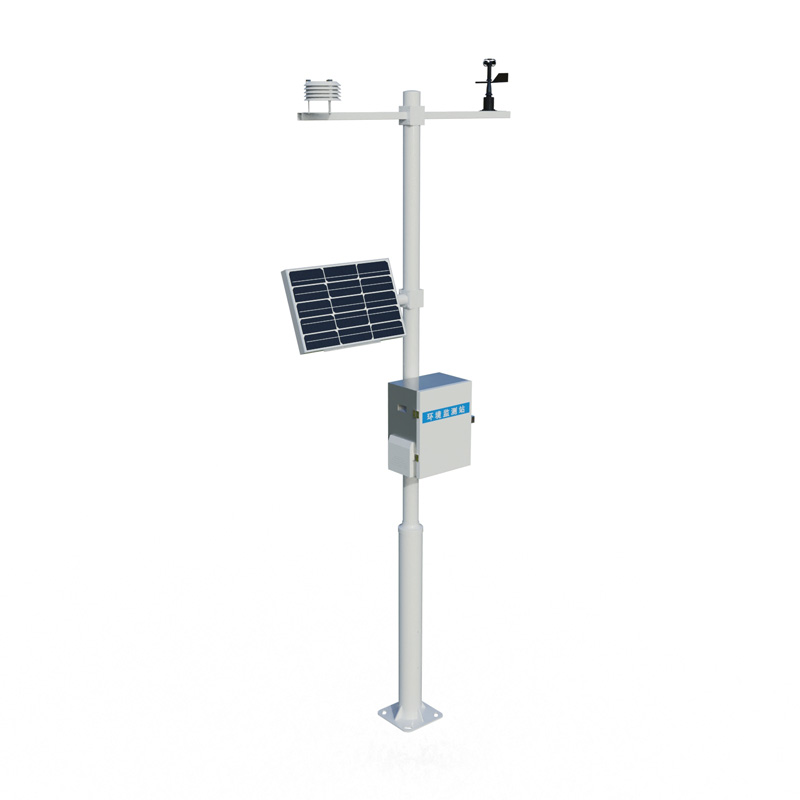
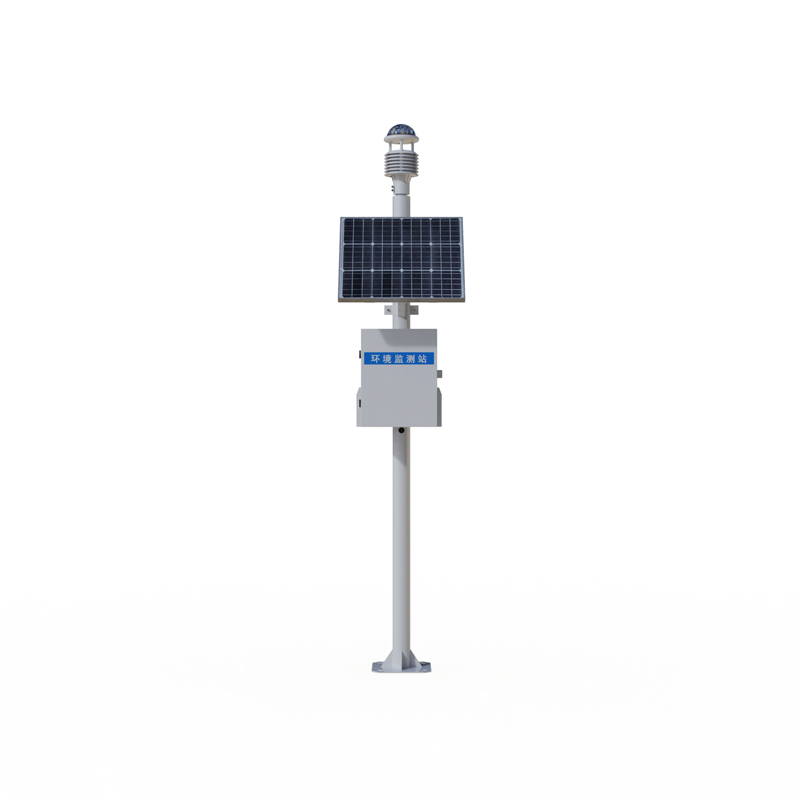
Meteorological station is a highly integrated, low-power, rapidly deployable, and user-friendly high-precision meteorological observation device designed for field monitoring applications. It consists of five core components: meteorological sensors, a data collector, a solar power supply system, a pole mount, and a cloud platform. The unit offers optional lead-acid battery configurations ranging from 30W/20AH to 100W/100AH and is equipped with an MPPT (Maximum Power Point Tracking) charge controller, which boosts charging efficiency by 20%. This system enables the issuance of early warnings prior to the onset of disasters, thereby assisting individuals in taking timely measures to mitigate potential losses.
As a pivotal instrument for ground-based meteorological observation, Meteorological station is widely deployed across numerous sectors, including meteorological monitoring, agricultural production, forestry conservation, environmental enforcement, marine observation, airport and port operations, and scientific research. Its primary strengths lie in its high degree of integration, low power consumption, and rapid installation capabilities—features that make it particularly well-suited for long-term, unattended monitoring in remote field environments.
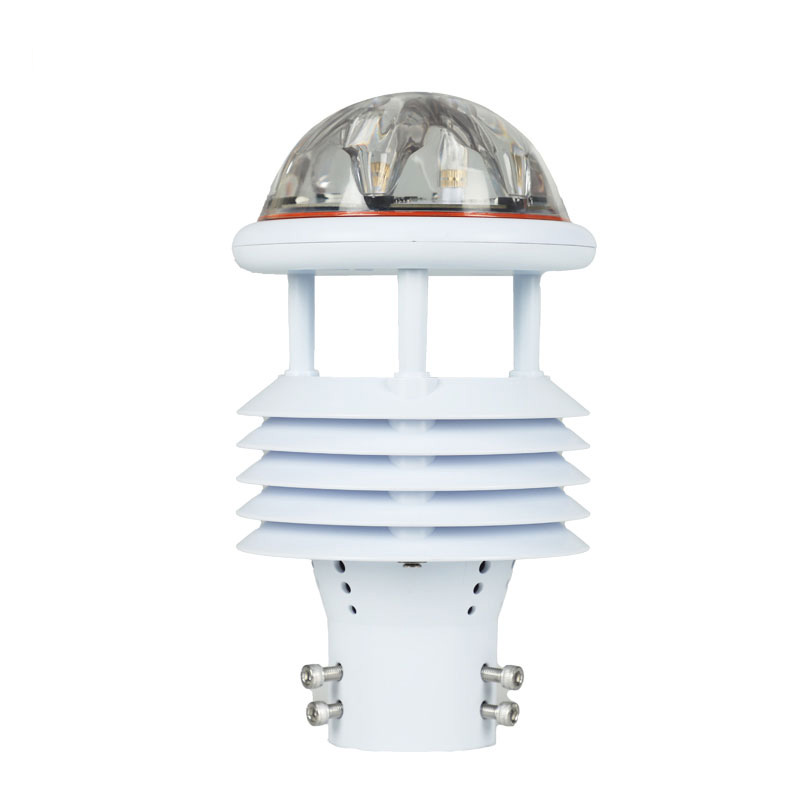
Meteorological station comprises five essential components. The meteorological sensors are responsible for collecting data on standard weather parameters, such as air temperature and humidity, wind speed and direction, solar radiation, rainfall, atmospheric pressure, illuminance, and soil temperature and moisture. The data collector processes the signals received from the various sensors and stores the collected data. The solar power supply system provides an independent power source for the device; it features lead-acid batteries—with optional capacities ranging from 30W/20AH to 100W/100AH—and utilizes an MPPT charge controller that delivers 20% higher charging efficiency compared to standard controllers. The pole mount serves to securely anchor the sensors and power supply equipment, ensuring the device operates stably within rugged field environments. Finally, the cloud platform facilitates the remote transmission, storage, and analysis of data, allowing users to access real-time readings and historical trend charts at any time via a dedicated mobile app or web interface.
In the realm of disaster early warning, Meteorological station is capable of issuing alerts prior to the occurrence of hazardous events, thereby enabling users to take prompt action to minimize damage. When the system detects abnormal meteorological fluctuations, it automatically triggers an alarm and notifies designated administrators via SMS or platform push notifications, providing critical decision-making support for agricultural operations, road traffic management, and flood control and disaster relief efforts. The system supports a wide range of network communication protocols—including GPRS, NB, CDMA, 4G, and 5G—and allows for the remote, flexible configuration of data acquisition intervals via a cloud platform. Data can be integrated into higher-level platforms—such as the National Crop Pest and Disease Monitoring and Early Warning System—to facilitate broader data sharing and collaborative analysis. As Internet of Things (IoT) and Artificial Intelligence (AI) technologies continue to converge, Meteorological station will see further enhancements in environmental sensing precision, early warning response speed, and intelligent decision-support capabilities.
This paper addresses:https://www.fengtuweather.com/industry/926.html
Related products
Related article
-
Vehicle Weather Station: Mobile Meteorological Sentinel on Patrol
2024-12-19 -
Advantages of Negative Oxygen Ion Monitoring Stations
2024-03-12 -
Meteorological Station Siting Must Satisfy Three Fundamental Requirements Representativeness, Accuracy, and Comparability
2026-04-13 -
PM2.5 Air Quality Monitor: Taming Construction Site Dust Pollution
2025-04-14 -
Meteorological Observation Station: Unraveling the Mysteries of Weather
2024-09-20 -
Odor Monitoring System is suitable for various complex malodorous gas detection environments
2025-11-27 -
Infrared Thermal Imaging Camera FT-HYS5: Breaking Visual Barriers for Efficient and Safe Underwater Operations
2025-07-15 -
Road Weather Station: Precision Monitoring, Intelligent Modeling, and Timely Warnings for Highway Safety
2025-02-26