

Product
-
Weather station
-
Road Weather Station
-
Photovoltaic Inspection
-
Atmospheric monitoring
-
Operating condition monitoring
Recommended article
- Electrical Power Analyzer enables multi-channel power grid parameter acquisition and the detection of harmonics and unbalance
- Shandong Fengtu, a manufacturer of meteorological stations, offers high-precision weather observation equipment designed for field use
- Series power supply for EL-Based Internal Defect Detection in Photovoltaic Modules
- Shandong Fengtu, a manufacturer of meteorological monitoring instruments, produces advanced weather observation equipment
- Odor gas detector On-site Monitoring of Odorous Pollutants in Compliance with the GB14554 Standard
- Integrated Four-Parameter Weather Station for Field Meteorological Data Collection (Temperature, Humidity, Wind Speed, and Wind Direction)
Contact us
Shandong Fengtu IOT Technology Co., Ltd
Sales Manager:Ms. Emily Wang
Cel,Whatsapp,Wechat:+86 15898932201
Email:info@fengtutec.com
Add:No. 155 Optoelectronic Industry Accelerator, Gaoxin District, Weifang, Shandong, China
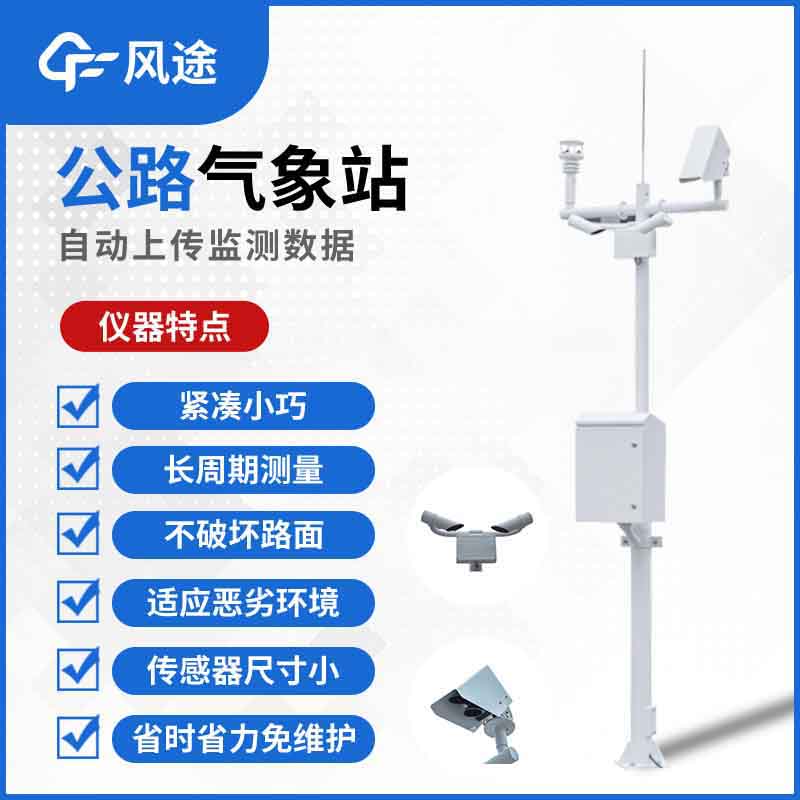
Road weather stations to monitor road weather
Article source:Weather station time:2024-04-03 09:20:58 viewed:555times
As road transport plays an increasingly important role in the national economy, it is responsible for the growing demand for transport. However, ever-changing weather, especially severe climatic conditions, poses serious challenges to vehicle movement on highways. This not only causes significant disruption to transport, but also poses a threat to the safety of people's lives and property. Therefore, improving the efficiency of highways, enhancing the ability to cope with the deterioration of the traffic environment, and ensuring the safety, efficiency and smoothness of highway operation have become the focus of extensive attention from all walks of life.
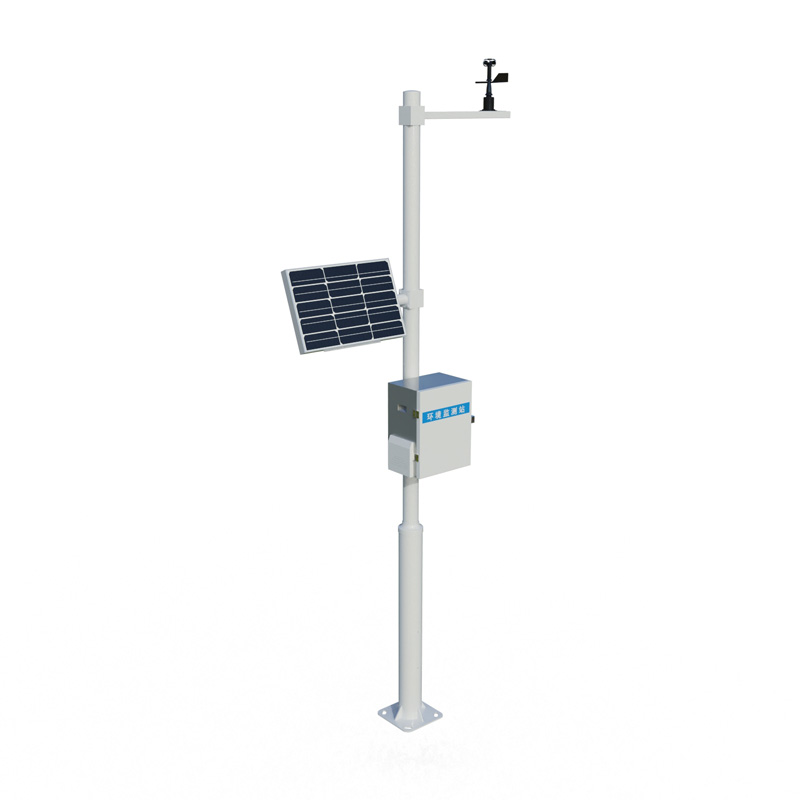
A road weather station is an integrated monitoring device mainly used to monitor key meteorological conditions on a road in real time, such as visibility and road surface condition, while collecting basic meteorological information such as temperature, humidity and wind speed. These data help to identify and respond in a timely manner to meteorological changes that may affect traffic safety, providing an accurate data base for traffic management and meteorological warnings. The station is suitable for deployment along the highway to form a monitoring network to ensure the continuity and effectiveness of traffic meteorological services.
The system is mainly composed of the following parts:
Data Collection Module: Various meteorological monitoring devices, such as visibility meters, road condition sensors, wind speed and direction meters and temperature and humidity meters, are used to collect real-time weather data.
Warning Release Module: Converts monitoring information into warnings and operating instructions, and communicates them to drivers through devices such as variable message boards.
Monitoring software system: rely on computer servers and professional monitoring software for data management and analysis.
Convenience Service Interface: Provides road safety information to the public through web push and mobile phone applications.
System auxiliary components: including control, transmission, power supply and data processing units to ensure stable operation of the system.
The system is capable of monitoring the following meteorological elements:
Visibility and various weather conditions (including rain, drizzle, snow, hail, sleet, fog and haze).
Air temperature and humidity.
Wind direction and speed.
Road conditions (e.g. snow, ice, etc.).
This paper addresses:https://www.fengtuweather.com/industry/296.html
Related products
Related article
-
Digital weather stations in schools to foster scientific literacy among schoolchildren
2024-07-22 -
Dust Detector in Practice
2025-05-07 -
Photovoltaic module efficiency testing equipment Provides High-Voltage, High-Power Performance Testing Solutions
2026-01-04 -
What Testing Instruments are Required for Photovoltaic Power Generation Acceptance?
2026-08-11 -
Essential Meteorological Parameters: The Foundation of Weather Forecasting and Climate Analysis
2024-11-04 -
Mastering Road Conditions with Road Weather Station
2025-01-09 -
Dust Monitoring Equipment: Real-Time Monitoring Solution for Fugitive Dust Pollution Management
2025-09-11 -
How Photovoltaic Solar Environmental Monitoring System Empowers Fishery-Photovoltaic Complementation
2024-12-16