

Product
-
Weather station
-
Road Weather Station
-
Photovoltaic Inspection
-
Atmospheric monitoring
-
Operating condition monitoring
Recommended article
- Electrical Power Analyzer enables multi-channel power grid parameter acquisition and the detection of harmonics and unbalance
- Shandong Fengtu, a manufacturer of meteorological stations, offers high-precision weather observation equipment designed for field use
- Series power supply for EL-Based Internal Defect Detection in Photovoltaic Modules
- Shandong Fengtu, a manufacturer of meteorological monitoring instruments, produces advanced weather observation equipment
- Odor gas detector On-site Monitoring of Odorous Pollutants in Compliance with the GB14554 Standard
- Integrated Four-Parameter Weather Station for Field Meteorological Data Collection (Temperature, Humidity, Wind Speed, and Wind Direction)
Contact us
Shandong Fengtu IOT Technology Co., Ltd
Sales Manager:Ms. Emily Wang
Cel,Whatsapp,Wechat:+86 15898932201
Email:info@fengtutec.com
Add:No. 155 Optoelectronic Industry Accelerator, Gaoxin District, Weifang, Shandong, China
24/7 Meteorological Support for Fisheries: Solar Powered Weather Stations
Article source:Weather station time:2025-08-01 09:09:25 viewed:448times
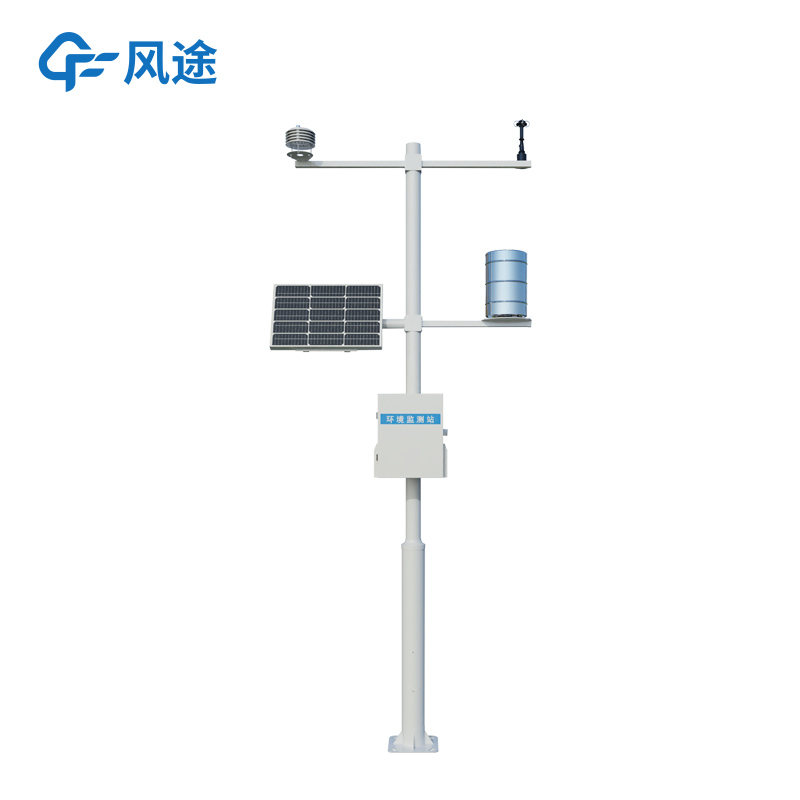
In fishery production, weather factors have a significant impact. Traditional aquaculture relies on experience and often finds itself passive when faced with complex weather conditions. However, the application of Solar Powered Weather Stations is changing this situation.
The Solar Powered Weather Station integrates a variety of high-precision sensors to continuously collect meteorological data such as temperature, humidity, rainfall, wind speed, and wind direction 24 hours a day. This data is transmitted in real-time to the fishery management platform via wireless transmission, providing comprehensive support for production.
Temperature is a crucial factor affecting fish growth, as different fish species have specific optimal temperature ranges for water. The weather station monitors air temperature in real-time, allowing staff to infer changes in water temperature accordingly. When the temperature is high, water is prone to oxygen deficiency. Upon detecting a rise in air temperature, staff can promptly turn on oxygenation equipment to adjust water quality.
Humidity monitoring is equally important. It is related to factors such as air pressure, and appropriate humidity helps maintain a stable environment in the fishery, reducing the spread of diseases among fish populations. Abnormal humidity can serve as an early warning of weather changes, facilitating advance preparations.
Moderate rainfall can replenish water sources and improve water quality, but excessive rainfall may cause water levels to rise, make water turbid, and even trigger floods. By keeping track of real-time rainfall, staff can reinforce facilities and adjust drainage systems in advance to ensure the safety of fish populations.
Strong winds can intensify water fluctuations, affecting fish habitat and feeding; wind direction, on the other hand, is related to the distribution of dissolved oxygen in water and the diffusion of pollutants. Only by understanding these data can operations be arranged reasonably, such as stopping feeding before strong winds to avoid waste and pollution.
The weather station is equipped with a disaster early warning function. When it detects severe weather such as heavy rain, strong winds, or cold waves, it will issue timely warnings, enabling staff to respond quickly—such as reinforcing facilities and debugging oxygenation equipment—to reduce losses.
In modern fisheries, the Solar Powered Weather Station has become a common instrument. It allows managers to move away from the passive "relying on the weather for a living" mode, respond to weather changes scientifically and accurately, safeguard fishery production, and contribute to sustainable development.
This paper addresses:https://www.fengtuweather.com/industry/759.html
Related products

Related article
-
Fengtu Online dust Monitoring system: All-Weather, Multi-Parameter Precision
2025-11-10 -
Road Weather Station: Monitoring, Warning, and Ensuring Road Safety
2025-02-05 -
Portable IV Curve Tester is used for on-site performance testing of photovoltaic modules
2025-12-12 -
Why install a snow depth monitoring station?
2024-01-25 -
Online dust particle counter in Clean Manufacturing Environments
2025-11-04 -
Visibility Monitoring station in Modern Traffic Meteorological Systems: Functions, Data Transmission and Traffic Accident Reduction
2025-08-27 -
Mechanical weather station fills the "blind spots" in meteorological monitoring!
2024-09-23 -
Ground Penetrating Radar: The Core Tool for Advanced Geological Prediction in Underground Engineering
2025-07-25