

Product
-
Weather station
-
Road Weather Station
-
Photovoltaic Inspection
-
Atmospheric monitoring
-
Operating condition monitoring
Recommended article
- Electrical Power Analyzer enables multi-channel power grid parameter acquisition and the detection of harmonics and unbalance
- Shandong Fengtu, a manufacturer of meteorological stations, offers high-precision weather observation equipment designed for field use
- Series power supply for EL-Based Internal Defect Detection in Photovoltaic Modules
- Shandong Fengtu, a manufacturer of meteorological monitoring instruments, produces advanced weather observation equipment
- Odor gas detector On-site Monitoring of Odorous Pollutants in Compliance with the GB14554 Standard
- Integrated Four-Parameter Weather Station for Field Meteorological Data Collection (Temperature, Humidity, Wind Speed, and Wind Direction)
Contact us
Shandong Fengtu IOT Technology Co., Ltd
Sales Manager:Ms. Emily Wang
Cel,Whatsapp,Wechat:+86 15898932201
Email:info@fengtutec.com
Add:No. 155 Optoelectronic Industry Accelerator, Gaoxin District, Weifang, Shandong, China
Mechanical and Ultrasonic Small Automatic Weather Stations
Article source:Weather station time:2025-09-04 09:33:18 viewed:544times
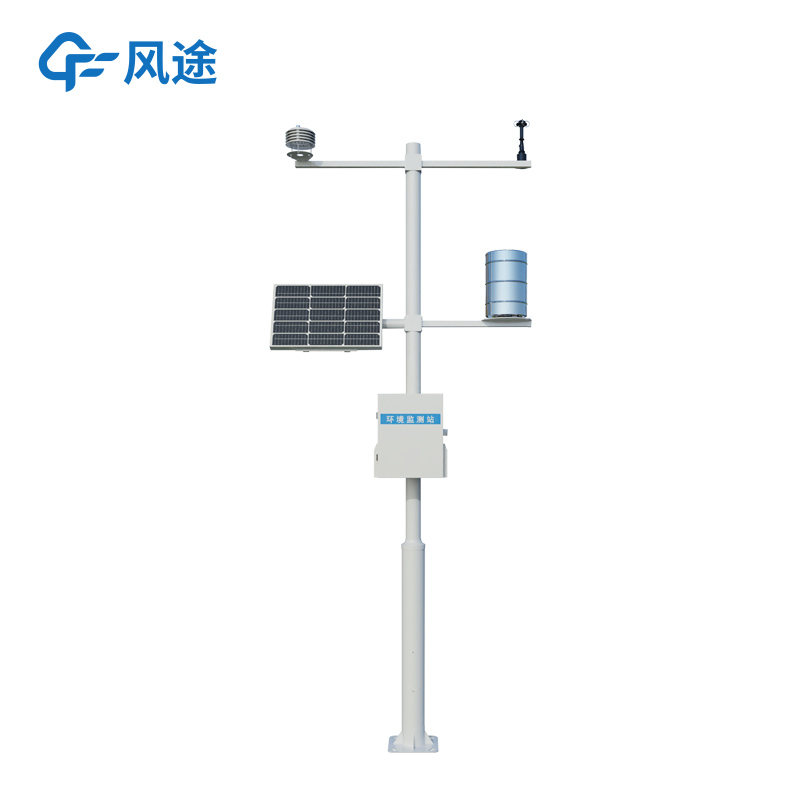
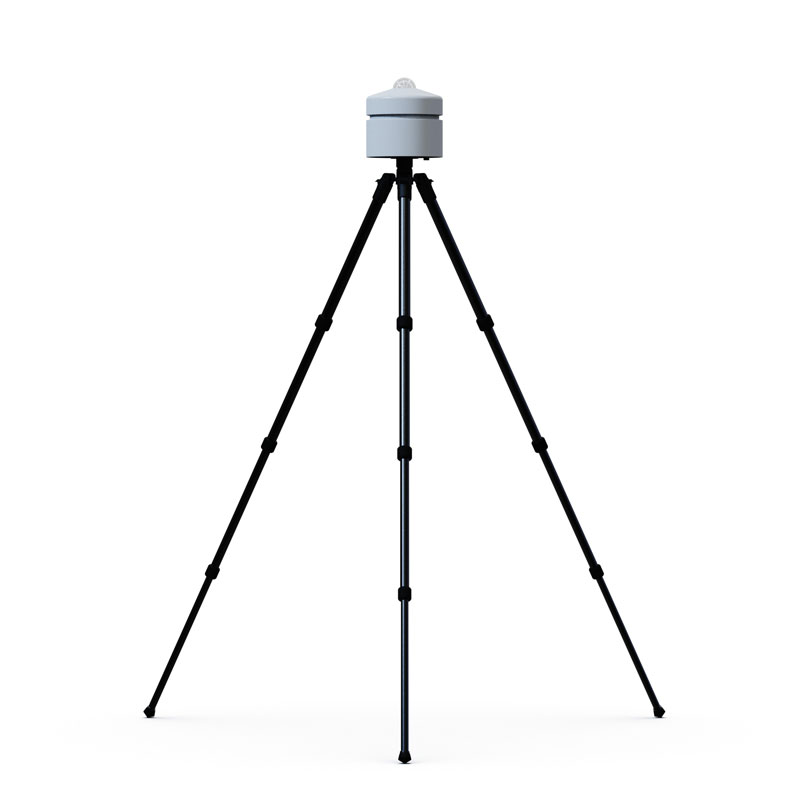
The Small Automatic Weather Station is a device specially designed for accurate collection and analysis of meteorological data, and is widely used in various fields such as agriculture, forestry, transportation, scientific research, and campuses. It can real-time monitor key meteorological parameters including temperature, humidity, wind speed, wind direction, precipitation, and sunshine duration, providing users with accurate and timely meteorological information. This helps users make scientific decisions, reduce losses caused by meteorological disasters, and improve the efficiency and safety of activities such as production and scientific research. The device features a small size, easy installation, stable operation, and efficient data transmission. It does not require complex construction processes, can be put into use quickly, and meets meteorological monitoring needs in different scenarios. It is mainly divided into mechanical Small Automatic Weather Stations and ultrasonic Small Automatic Weather Stations.
1. Mechanical Small Automatic Weather Station
The mechanical Small Automatic Weather Station adopts the principle of traditional mechanical structure to realize meteorological parameter monitoring. Among its core components, the anemometer obtains wind speed data through the rotation of wind cups, the wind vane determines the wind direction through its pointing, and the rain gauge collects rainwater and measures precipitation by means of a tipping-bucket structure. This type of device has a simple structure, mature technology, and relatively low manufacturing cost. During long-term use, its maintenance methods are easy to master, and replacing parts is convenient with low costs. The mechanical monitoring station has strong environmental adaptability and can work stably in various complex environments such as high temperature, low temperature, and high humidity. Its data measurement accuracy can meet the requirements of most conventional meteorological monitoring scenarios, making it suitable for users who are sensitive to monitoring costs and value equipment stability and ease of maintenance, such as agricultural planting bases and small-scale farms.
2. Ultrasonic Small Automatic Weather Station
The ultrasonic Small Automatic Weather Station uses ultrasonic technology for meteorological data collection and has no mechanical moving parts. It installs ultrasonic sensors in different directions and calculates wind speed and wind direction by using the time difference of ultrasonic propagation in the air. Parameters such as temperature and humidity are measured by dedicated electronic sensors. This type of device has no mechanical wear problem, so it has a longer service life and lower failure rate, which can effectively reduce the frequency of maintenance and maintenance costs. In terms of data collection, the ultrasonic monitoring station has a faster response speed, can realize real-time data collection with higher frequency, and has higher measurement accuracy. Especially in light wind environments, it can still accurately capture changes in wind speed. The overall sealing performance of the device is better, which can effectively resist interference from external dust, rainwater, etc. It is suitable for scenarios that require high accuracy of meteorological data, expect the device to operate stably for a long time, and want to reduce maintenance workload, such as scientific research laboratories and highway meteorological monitoring points.
This paper addresses:https://www.fengtuweather.com/industry/786.html
Related products
Related article
-
Miniature weather station Integrated Meteorological and Air Quality Monitoring System is suitable for field deployment
2026-02-02 -
Small Automatic Weather Stations: Tailored Solutions for Hazardous Chemical Environments
2025-06-09 -
Fog and Visibility Monitoring Technology
2025-11-03 -
Functions of the Integrated Cloud Gauge application
2024-03-21 -
Weather monitor Enables Low-Power, High-Precision Meteorological Monitoring in the Field
2026-05-21 -
Weather Monitoring Equipment enables high-precision, automated environmental parameter monitoring in field settings
2026-09-30 -
What is a speeding photo solar display?
2024-04-19 -
Radar speed gun Leverages the Doppler Effect for Precise Speed Measurement Across Multiple Scenarios
2026-09-22